I used to think indoor air quality was something you solved once. Buy a purifier. Plug it in. Done. It took me a while to learn that’s not how air actually works.
Your home isn’t a static box. It’s a living system. Air, moisture, and particles are constantly moving through it, in and out, all day long. New furniture brings in chemicals. Cleaning products add their own. Even the shoes at your door carry things inside.
None of this is meant to worry you. It’s actually good news. Once you understand air as a system, you can stop chasing one perfect gadget. Instead, you can build simple habits that work together. That’s what this guide is about: a real, whole home strategy, built one layer at a time.

The Science Behind Clean Air
I want to start with why this matters, because I think it helps to understand what’s actually happening in your body when you breathe.
Fine particles, especially the ones known as particulate matter, are small enough to slip past your nose and throat. They travel deep into your lungs. Some even enter your bloodstream. Once there, they can trigger inflammation throughout your body, not just in your airways. This isn’t a small thing. Research on HEPA filtration and cardiovascular health has shown that removing these fine particles from indoor air can actually lower resting blood pressure and reduce markers of inflammation in the body.
A clinical study from Johns Hopkins on indoor air cleaners found something similar. When true HEPA filtration was used in homes, it meaningfully improved heart rate variability, which is a strong marker of cardiovascular health, while also lowering the amount of particle pollution indoors.
Then there’s moisture. Dampness in a home creates the conditions for mold to grow, and mold doesn’t stay contained to one corner of a basement. Research in PMC highlights childhood respiratory risks linked to damp housing, showing direct links between damp, moldy homes and higher rates of pediatric asthma, allergic airway inflammation, and disrupted sleep.
And then there are VOCs, or volatile organic compounds. These are chemical gases that come from everyday things like paint, furniture, cleaning products, and air fresheners. A standard air filter can’t catch them, because they aren’t particles; they’re gases. The EPA indoor air quality studies found that indoor levels of common chemical pollutants often run two to five times higher than outdoor levels, right inside the place we consider safe.
I share all of this not to scare you, but because I think it helps to know what you’re actually working with. Once you understand the problem clearly, the solution becomes much simpler.

Pillar 1: Source Control (Stopping Indoor Pollutants First)
Here’s a principle I come back to again and again: you can’t filter your way out of a problem that keeps refilling itself.
If a source of pollution is running constantly in your home, no air cleaner can fully keep up. So before we talk about equipment, let’s talk about sources.
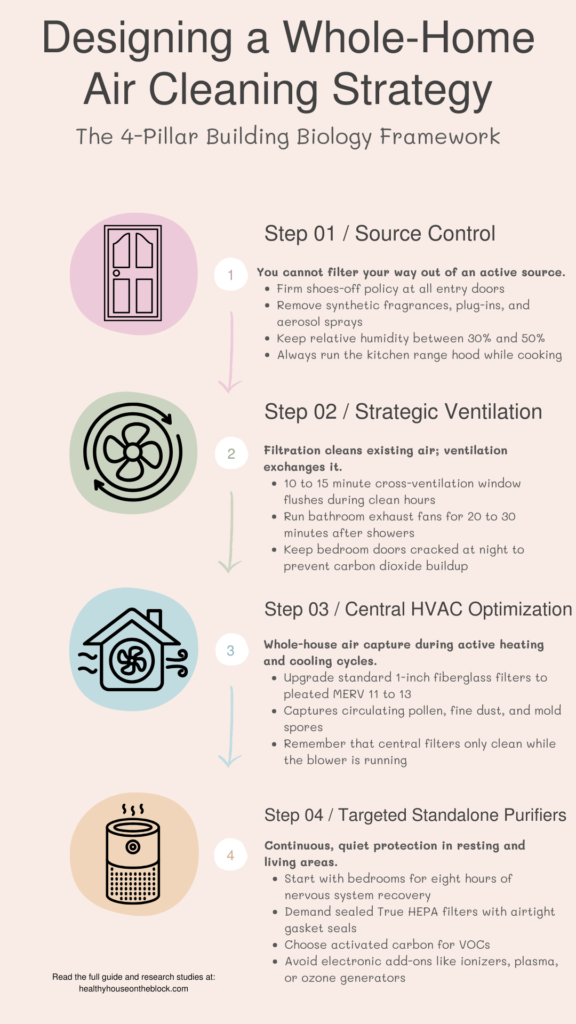
Start by looking at what you’re bringing into your home on purpose. Synthetic fragrances, plug-in air fresheners, and heavily scented cleaning products all add VOCs to your air. Swapping these out is one of the simplest changes you can make.
Next, think about what comes in on your shoes. Shoes carry heavy metals, pesticide residue, and road dust from everywhere you’ve walked that day. A simple habit of removing shoes at the door keeps a surprising amount of that outside where it belongs.
Moisture control matters too. Aim to keep your indoor relative humidity somewhere between 30 and 50 percent. This range makes it much harder for mold and dust mites to thrive.
Finally, use your range hood. Cooking, especially on a gas stove, releases combustion byproducts and grease particles into the air. Running your range hood while you cook helps clear that out before it settles into your home.
None of these steps require special equipment. They’re habits. And habits, once built, tend to stick.
Pillar 2: Fresh Air and Ventilation Options
Filtration removes what’s already in your air. Ventilation does something different: it brings in new air and pushes out the old, including the carbon dioxide that naturally builds up as we breathe.
If you’re in a position to invest in your home mechanical systems, an energy recovery ventilator (ERV) or heat recovery ventilator (HRV) is the gold standard. These balanced ventilation systems continuously exchange stale indoor air for fresh outdoor air, while recovering the energy and moisture that would otherwise be lost. It’s a beautiful piece of engineering.
You don’t need an ERV or HRV to start improving your home ventilation today, however. There are simple, low-cost habits that make a real difference:
Open your windows for 10 to 15 minutes during low-traffic, low-pollen hours. This is often early morning or late evening, depending on where you live. A little cross-ventilation goes a long way.
Run your bathroom exhaust fan for 20 to 30 minutes after every shower. This clears out moisture before it has a chance to settle into your drywall and ceiling.
At night, try cracking interior bedroom doors. This small gap allows air to circulate and prevents carbon dioxide from building up while you sleep.
Pillar 3: Central HVAC Air Filters (MERV Ratings and Limits)
Your furnace filter is doing more work than you might think, but it may not be doing the work you assume it is.
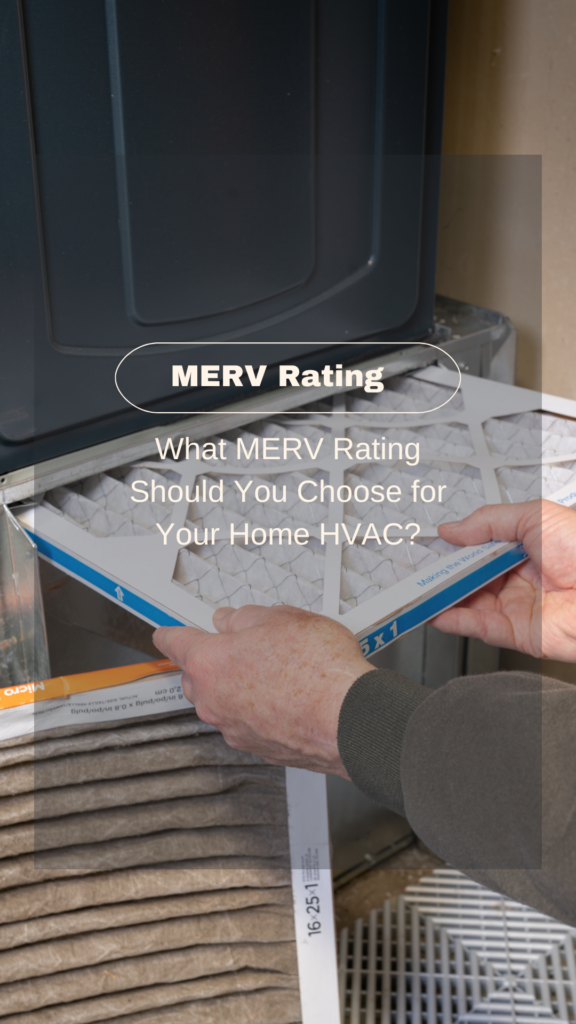
Standard 1-inch fiberglass filters are designed to protect your HVAC equipment from large debris, not your lungs. They let fine particles, pollen, and mold spores pass right through.
When considering what MERV rating to choose for home HVAC systems, upgrading to a pleated filter rated MERV 11 to MERV 13 makes a noticeable difference. These filters capture a significant percentage of fine dust, pet dander, and fungal spores that a basic filter misses.
One important note on HVAC filters: if you upgrade your filter, verify that your system static pressure stays balanced. A filter that’s too restrictive for your specific air handler can overwork the blower motor and reduce airflow. This is a simple check for an HVAC technician and is well worth doing when you make the switch.
It’s also important to recognize the limits of central systems. Your HVAC only filters air when the fan is actively running. In between heating and cooling cycles, it isn’t moving or cleaning the air in your living spaces. This is exactly why the next pillar matters so much.
Pillar 4: Choosing the Right Standalone HEPA Air Purifier
This is the pillar most people think of first, and it’s an essential layer. But not all air purifiers are created equal, so let’s focus on what genuinely works.
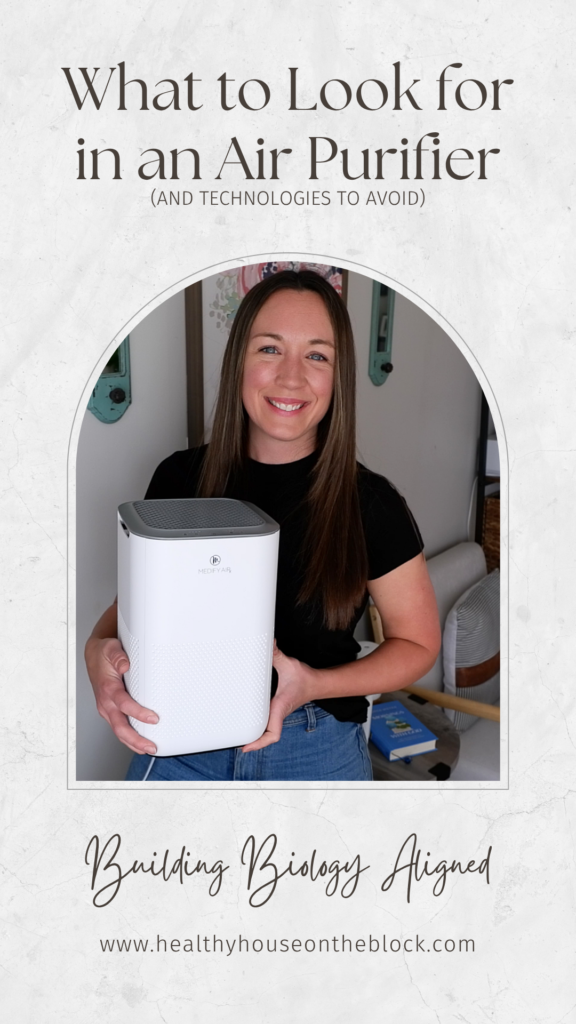
Look for a unit with sealed, true mechanical HEPA filtration. This ensures it physically captures particles down to 0.3 microns, rather than simply claiming to be HEPA-like. Also look for a substantial bed of activated carbon. This is what actively adsorbs VOCs, odors, and chemical vapors, which pass straight through particle filters.
Sizing matters more than people realize. Check the Clean Air Delivery Rate (CADR) and match it to your room dimensions to ensure adequate air changes per hour (ACH). An air purifier for mold and dust that’s undersized for the space will run on high, make excessive noise, and still struggle to keep up.
There are also filtration technologies I’d recommend avoiding entirely. This includes bipolar ionization, plasma technology, needlepoint ionization, and ozone generators. These are often marketed as cutting-edge upgrades, but peer-reviewed research tells a different story. A study in Building and Environment on electronic air cleaners found that these devices can create secondary chemical byproducts, including formaldehyde and ozone itself. In other words, electronic devices can add reactive chemicals to your air rather than removing them. When in doubt, choose inert mechanical filtration you can understand and trust.
Where to Start: Your Room-by-Room Strategy
With all of this information, it helps to know where to begin without getting overwhelmed. I always recommend starting with your bedroom.
We spend roughly a third of our lives there, resting, healing, and letting our nervous systems recover. It makes sense to protect that space first. Set up a dedicated, quiet HEPA air cleaner near your breathing zone, close enough to your bed to support clean breathing through the night.
From there, move to other high-traffic zones. Living rooms, playrooms, and home offices are great next steps, especially any area where your family gathers for hours at a time.
Where to Go Next
A healthy home isn’t built overnight, and it doesn’t need to be perfect. It’s built through small, steady habits layered on top of each other. Every window you open, every pair of shoes you leave at the door, and every filter you upgrade adds up.
If you’d like personalized guidance on your setup, I offer a virtual consultation through The Home Plan. Together, we’ll look at your specific home, mechanical equipment, and daily routines to build a practical maintenance and improvement plan that fits your life.
If you’d rather explore the fundamentals at your own pace, the Indoor Air Quality Basics Mini Course is a self-paced guide designed to help you make informed decisions with confidence.
Either way, taking time to think about your home as an ecosystem puts you and your family well ahead.
Frequently Asked Questions
Can a HEPA air purifier remove mold from indoor air?
A true HEPA air purifier can capture airborne mold spores that pass through its filter, which helps reduce what you inhale. However, an air purifier can’t resolve the root moisture problem causing mold growth behind walls, under sinks, or on damp surfaces. Lasting mold prevention always requires identifying and repairing the moisture source first.
Is a higher MERV rating always better for a home furnace?
Not necessarily. While higher MERV ratings like MERV 11 to MERV 13 trap significantly more fine dust and allergens than basic fiberglass filters, very dense filters can restrict airflow in older or smaller HVAC systems. This restriction can strain the blower motor and reduce system efficiency. Always ensure your equipment can handle the pressure drop before moving to a higher rating.
Are ionizers and ozone-generating air purifiers safe for home use?
Ionizers and electronic air cleaners often market high-tech purification, but studies show they can generate secondary indoor pollutants like ozone and formaldehyde. Ozone is a known lung irritant that can exacerbate asthma and respiratory discomfort. For residential homes, sealed mechanical filtration using true HEPA and activated carbon remains the safest and most reliable approach.