Ever since I was little, being active has been a core part of my life. While organic workout gear and non-toxic home workout equipment weren’t topics I heard about growing up, my understanding of what it means to be truly healthy has evolved. I used to think exercise was only about pushing my body as hard as possible, but now I view it through the lens of longevity, recovery, and total-body support.
Every weekday at 5:30 a.m., while the rest of my family is still sleeping, I head downstairs to move my body. Whether I’m focusing on strength or flexibility, I am constantly in awe of what the human body can do. Because I’ve worked so hard to create a low-toxin environment in the rest of my home, it only makes sense that my workout space should support my health rather than compromise it. As aBuilding Biology Practitioner, I’ve seen how small changes in our immediate environment can lead to big shifts in our wellness.
I’m no gym rat, and I walk down my stairs at 5:30 a.m. every weekday to sweat while the rest of my family sleeps. In the summers I love to get outside at first light and run freely to clear my head. But having a space at home means I can control the products and materials that I bring in, so let’s talk about that today.
The Hidden Science of Your Workout Environment
When we exercise, our bodies enter a heightened state of both vulnerability and detoxification. Understanding the physiological “why” behind choosing non-toxic home workout equipment can help you make the best choices for your long-term wellness and your family’s safety.
1. Deep Breathing and the Inhalation of VOCs As your heart rate increases, your respiration rate climbs significantly. You begin to breathe more deeply and frequently, which means your lungs are processing a much higher volume of indoor air than they do while you are resting. If your equipment—like foam flooring or synthetic mats—is off-gassingVolatile Organic Compounds (VOCs), you are absorbing those chemicals at an accelerated rate. Many of these compounds are linked to respiratory irritation and even long-term neurological concerns.
2. The Impact of Heat and Humidity Body heat and sweat are natural parts of a productive workout, but they also change the chemistry of your room. Increased temperature causes many synthetic materials to off-gas VOCs more rapidly. Furthermore, the moisture from your breath and sweat increases the relative humidity in the room. In a small space with the door closed, this trapped humidity can encourage the growth of bacteria or even mold. If you are concerned about what you might be breathing in, myEnvironmental Testing Services can help identify exactly what is in your air.
Plasticizers and Endocrine Disruption Many traditional gym products like yoga mats and coated weights rely on plasticizers—specifically phthalates—to make them flexible or “grippy.” These are known endocrine disruptors that can mimic or interfere with the body’s natural hormones.Scientific research on endocrine disruptors shows they can impact everything from metabolism to reproductive health. When you handle these items with sweaty hands, these chemicals can be absorbed through the skin, adding to your overall body burden.
Choosing Better Materials for Your Home Gym
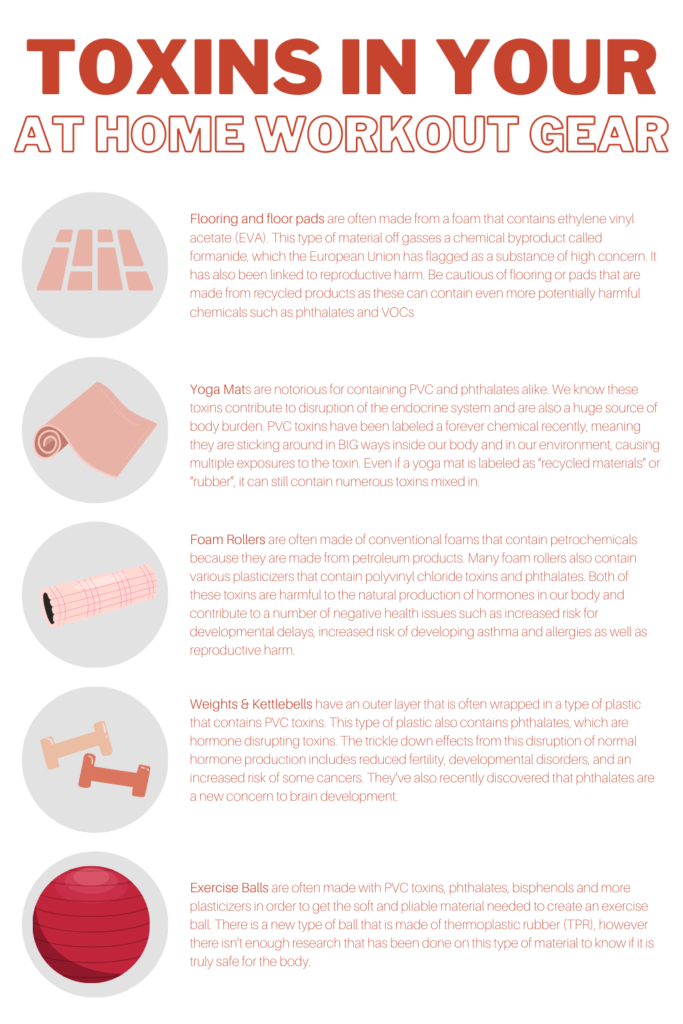
Flooring and floor pads are often made from a foam that contains ethylene vinyl acetate (EVA). This type of material off gasses a chemical byproduct called formamide, which the European Union has flagged as a substance of high concern. It has also been linked to reproductive harm. Be cautious of flooring or pads that are made from recycled products as these can contain even more potentially harmful chemicals such as phthalates and VOCs.
Yoga Mats are notorious for containing PVC and phthalates alike. We know these toxins contribute to disruption of the endocrine system and are also a huge source of body burden. PVC toxins have been labeled a forever chemical recently, meaning they are sticking around in BIG ways inside our body and in our environment, causing multiple exposures to the toxin. Even if a yoga mat is labeled as “recycled materials” or “rubber”, it can still contain numerous toxins mixed in.
Foam Rollers are often made of conventional foams that contain petrochemicals because they are made from petroleum products. Many foam rollers also contain various plasticizers that contain polyvinyl chloride toxins and phthalates. Both of these toxins are harmful to the natural production of hormones in our body and contribute to a number of negative health issues such as increased risk for developmental delays, increased risk of developing asthma and allergies as well as reproductive harm.
Weights & Kettlebells have an outer layer that is often wrapped in a type of plastic that contains PVC toxins. This type of plastic also contains phthalates, which are hormone disrupting toxins. The trickle down effects from this disruption of normal hormone production includes reduced fertility, developmental disorders, and an increased risk of some cancers. They’ve also recently discovered that phthalates are a new concern to brain development.
Exercise Balls are often made with PVC toxins, phthalates, bisphenols and more plasticizersin order to get the soft and pliable material needed to create an exercise ball. There is a new type of ball that is made of thermoplastic rubber (TPR), however there isn’t enough research that has been done on this type of material to know if it is truly safe for the body.
ORGANIC ACTIVEWEAR
If there’s nothing else that you can change at home, make it a goal to get some toxin free, organic workout clothing. Recently, a national news story made headlines showing that a variety of toxins have been found in exercise clothing:
Triclosan in antimicrobial clothing has been linked to liver disease
PFAS have been linked to birth defects, cancer, lower vaccine effectiveness and more
PFCs in water repellent clothing have been low birth rate and cancer
Bisphenols has been shown to disrupt hormone production
You know that I’m always going to give you a BEST, least toxic option, but I’m also going to give you an option that is better than conventional clothing that contains the toxins above in large amounts.
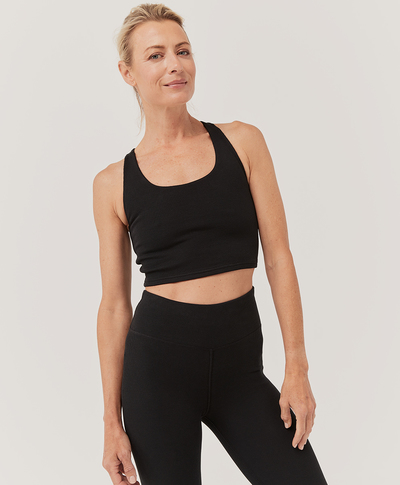
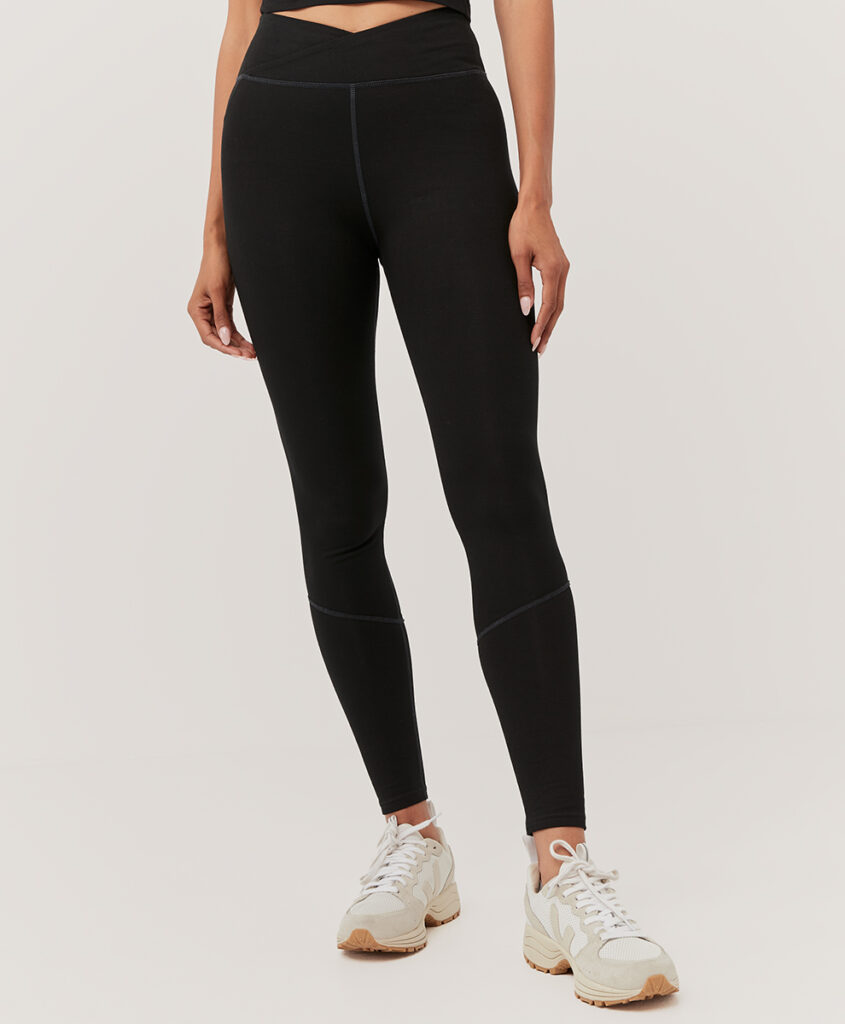
The better option for clothing would be finding activewear that is mostly cotton without synthetic materials in it. Other natural materials you could look for would be bamboo, hemp, linen or wool.
The next best option would be to find a material that carries the Oeko-TEX Standard 100 certification.
And the BEST option? Go for a GOTS certified organic product. The GOTS certification requires that the organic fibers don’t contain any sort of pesticides or other toxins or toxin residues.
My favorite option for GOTS certified organic activewear is Pact Apparel.
HEALTHY HOME PRACTICES DURING AT HOME WORKOUTS
And as always, I will tell you that the habits we have in our homes make a HUGE impact as well as the products we bring in. Exercising at home is no different and there are some really easy ways you can reduce toxins while you’re doing it.
Sweat Outside: If at all possible, sweat outdoors. I get it though, I live in Minnesota, that’s not always an option. In the winter months when it’s frigidly cold and dark until 8:00 a.m., can only really exercise indoors. But as soon as it gets nice out, I sweat outside to get fresh air and keep my indoor humidity levels low.
Open a Window: The next best thing to being outside is to open a window while you’re inside. This can help not only give you fresh air while you’re exercising at home, but it can also help reduce the temperature indoors as well as reduce the humidity levels indoors.
Leave the Door Open: If you can leave the door open while you’re exercising, you’ll ensure that the room you’re working out in won’t get too hot and it won’t get too humid. These are both contributors to a high production of VOCs in your home, and by reducing these two things you can keep your space healthy.
Use an Air Purifier: When you’re exercising you’re breathing deeply and taking in more of the air from your space into your lungs. By using an air purifier, you’ll keep as many toxins out of your air as possible, meaning you’re breathing in the most high quality air you can during exercise.
Wipe Down Surfaces: Bacteria can grow on home exercise equipment after they’ve been touched with sweaty hands. Make sure to use a toxin free spray, such as AspenClean to ensure you’re not adding toxins to your room or your exercise space at home.
LOW TOXIN WORKOUT EQUIPMENT FOR HOME
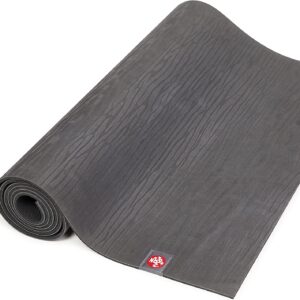
Manduca Natural Rubber Yoga Mat
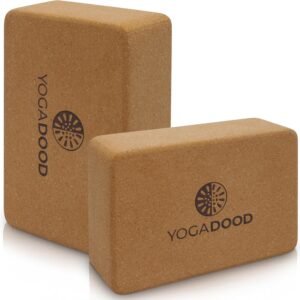
Cork Yoga Block
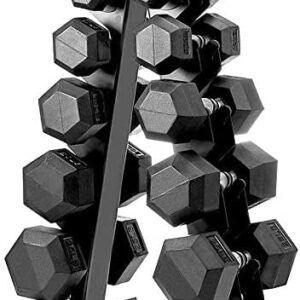
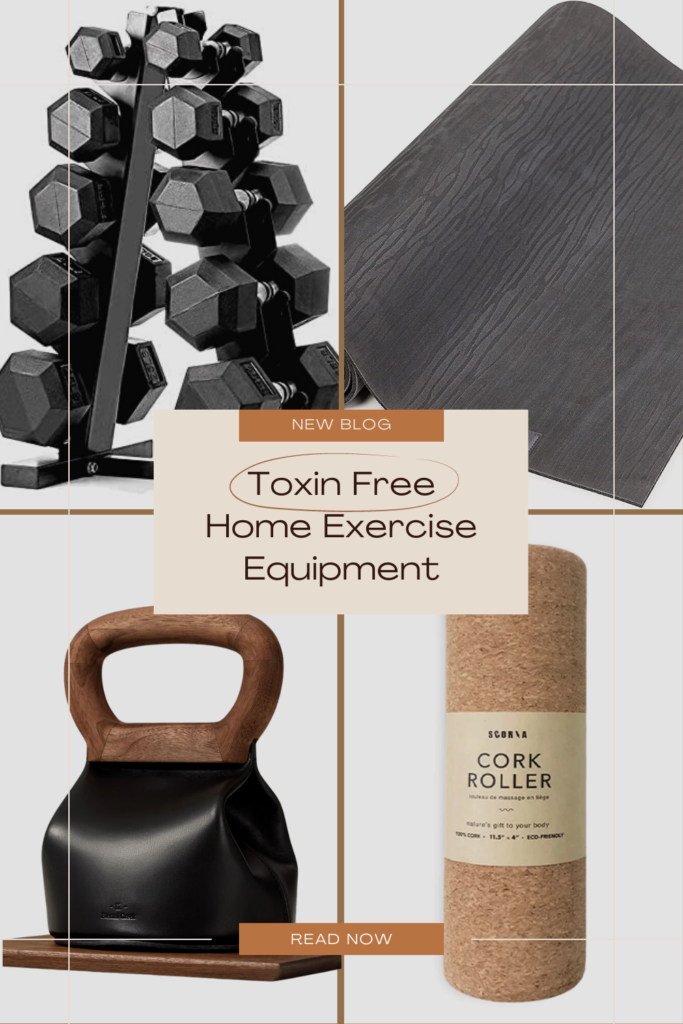
Papabe Cast Iron & Rubber Dumbbells
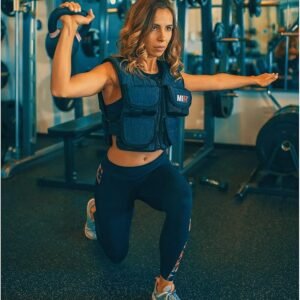
Cotton Blend Weighted Vest
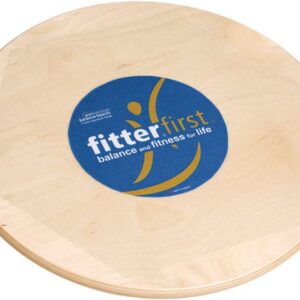
FitterFirst Balance Board
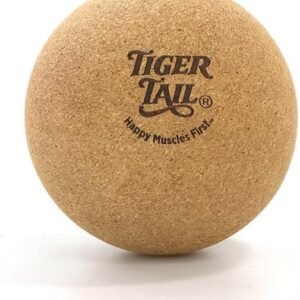
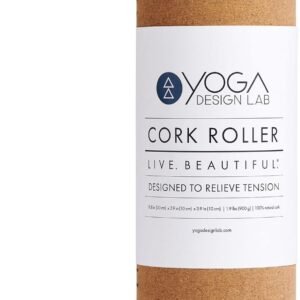
Cork Balls for Muscle Relief
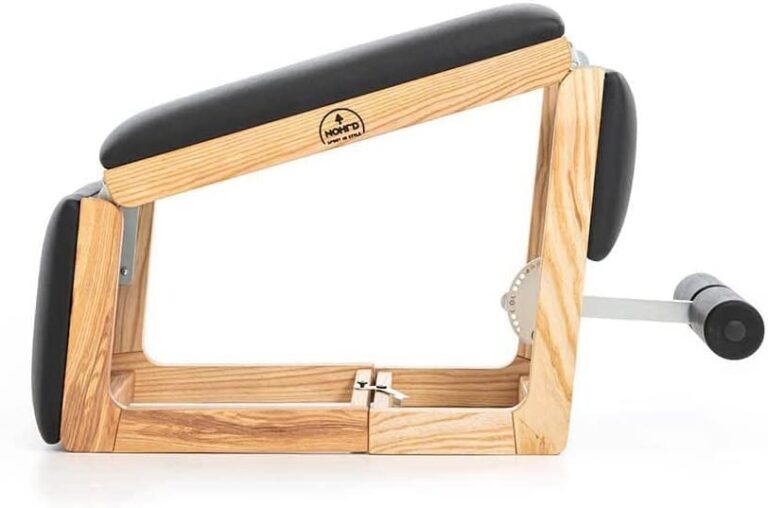
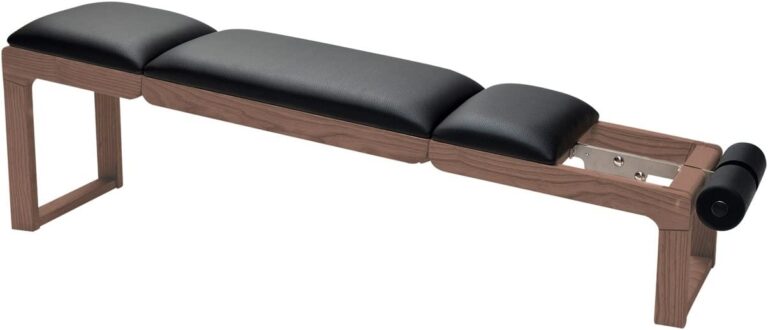
Tria Trainer Fitness Bench
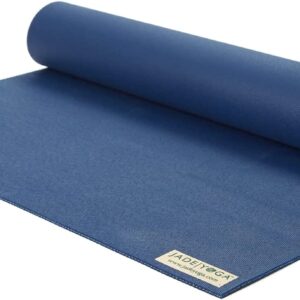
Jade Natural Rubber Yoga Mat
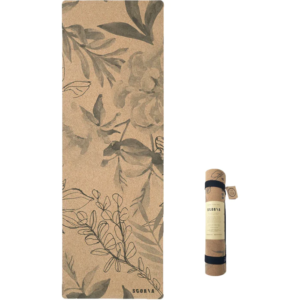
Cork Yoga Mat
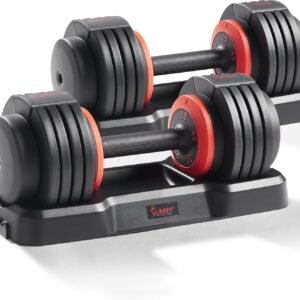
Powder Coated Adjustable Weights
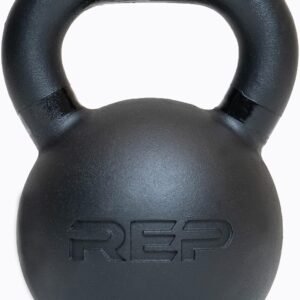
Cast Iron Kettle Bell
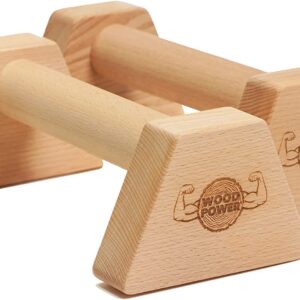
WoodPower Pushup Handles
Scoria Cork Roller
Tria Trainer Fitness Bench
Taking these steps isn’t about achieving perfection. It’s about being a kind and knowledgeable steward of your own health. When wecreate a healthy foundation for our homes, we provide a safer space for our families to thrive.




Pingback: Year End Healthy House Review: Looking Ahead to 2024 -