Imagine stepping out of a relaxing shower, your pores open and your skin warm, only to wrap yourself in a cocktail of synthetic resins, pesticides, and petroleum-based fibers. For many of us, this is the reality of using conventional towels. In the world of building biology, we view the home as our third skin. Just as our biological skin breathes and absorbs, so do the materials we bring into our living spaces.
When your skin is damp and warm, its permeability increases. This means any chemical residues held within your towel fibers have a direct pathway into your body. By upgrading this one simple item, you aren’t just buying a new bathroom accessory; you are creating a protective barrier for your family’s long-term wellness.

The Problem with Conventional Cotton and Synthetic Fibers
I’ll warn you, that once I read about the toxins in most towels, it was a real bummer when I dried my face that evening. All I could picture was the toxins I had read being patted all over my face instead of absorbing the water from my skin.
Obviously my overactive imagination was in full force, but the fact is that there are plenty of toxins to be avoided in your everyday towels.
PESTICIDES: I think the biggest culprit in most textiles, including bath towels and kitchen towels, is pesticides. Because cotton is a mass produced plant, oftentimes it requires some level of pesticides to ensure the crop isn’t ruined. In fact, cotton (along with corn, soybeans and wheat) receive about 80% of all the pesticides used in the United States.
Because we’re exposed to pesticides through multiple cotton sources every day (clothing, carpet, textiles, etc.), it’s a toxin that builds up in our bodies and systems. We aren’t able to naturally detox as quickly as we’re coming into contact with this toxin. This inability to detox pesticide toxins quickly enough can cause issues with hormone production and endocrine function, increased risk of Parkinson’s Disease and cancer, and issues with the reproductive system. Children are also at a higher risk of developing ADHD and other developmental defects. (This post on pesticides can explain more about the health effects and products pesticides are found in).
MICROFIBER: When Microfiber (usually within a towel advertised as “super absorbent” became really popular, you better believe I jumped onto that bandwagon. Who didn’t love super absorbent towels and I loved using them for cleaning cloths. But the truth is microfibers are ALL chemicals. Essentially microfibers are man made from a polyester-nylon blend. Microfibers are about a third of the size of a cotton fiber, so they’re exceptionally small.: (often labeled as super absorbent). These tiny particles end up in our laundry and eventually in the earth and water, where they really don’t break down or decompose (as cotton would).
Because microfiber is made from synthetic materials, studies have shown that they expose us to high levels of phthalates and formaldehyde during use. And when we dry microfiber, it also emits more VOCs due to the heat and moisture in the dryer (STUDY). Phthalates are a huge endocrine disrupting chemical that again, is found in many places throughout our home. Being exposed from multiple sources throughout the day means we rarely get a break to detox properly from this toxin.
DYES: I used to love all sorts of colorfully dyed bath towels. After all, I grew up in the ‘80s and ‘90s — if you don’t think we had matching wallpaper, towels and rugs adorning our bathroom, you can think again. But the problem with all the colorful towels is that most of them contain toxins in the dyes being used. Of course manufacturers want their color to last, and so in order to have a fade resistant color, chemicals have to be added.
Dyes often contain heavy metals like cadmium, which can lead to kidney issues, bone disease and lung problems. These dyes are often water soluble, meaning they are absorbed into your skin quickly and easily. In addition to the dye itself, formaldehyde is often added to the mix to sustain the dye in the fibers. Formaldehyde is a known carcinogen and harmful to our brain and skin.
FINISHING TREATMENTS: As with any textile that is produced, there are finishing treatments added to make them resistant to just about anything. Hate static-cling? Add formaldehyde. Want to prevent mildew? Add an antimicrobial treatment. Can’t stand stains on your towels? Throw in some chlorine.
Formaldehyde is one of the biggest components added to textiles to prevent a plethora of issues, and unfortunately, it never gets washed out. Formaldehyde is a known carcinogen and stays in the towel fibers forever. Each time you use it and each time you wash it you’re exposing yourself to a toxin that we are getting overloaded with on a constant basis.
Antimicrobial treatments are another toxin we want to avoid as much as possible. Biocide chemicals are used, which are highly damaging to the environment and animals. And on top of this, they contribute to antibiotic resistance in humans.

Understanding the Skin-to-Towel Connection
The skin is the largest organ of the body and is highly permeable, especially when it is warm and damp after a shower. When we dry off, our pores are often open, making the body more receptive to whatever is held within the fibers of our towels. Conventional towels are frequently treated with a variety of finishes that can migrate from the fabric to the skin.
By choosing towels free from synthetic resins and chemical dyes, you minimize the risk of dermal absorption of endocrine disruptors and irritants. Reducing this daily chemical exposure is a foundational step in lowering the overall toxic load on your body. Science suggests that cumulative exposure to low levels of environmental toxins can impact long-term health, particularly for children whose systems are still developing.

How Towels Impact Indoor Air Quality
In building biology, we look closely at how moisture moves through a space. A heavy, damp towel hanging in a bathroom is a significant source of humidity. If the towel takes too long to dry, it can lead to stagnant air and biological off-gassing.
When moisture is trapped in thick loops of cotton, it creates an ideal environment for mold and bacteria to thrive. This is what creates that familiar damp scent, which is actually the result of biological vapors being released into your breathing zone. Choosing a towel with a more breathable weave, such as a waffle or flat-weave, allows for faster evaporation. This helps maintain lower humidity levels in the bathroom, reducing the risk of mold growth on surrounding surfaces like grout and drywall.
Optimizing Your Home for Health: Material and Care
To support a healthy home, we must look at both what we buy and how we maintain it.
- Prioritize Breathable Weaves While plush towels are often associated with luxury, they are often the least functional from a health perspective. A waffle weave increases the surface area of the towel, allowing it to dry significantly faster than a traditional terry cloth. This prevents the buildup of biological vapors and keeps the air in your bathroom fresher.
- Avoid Fabric Softeners and Dryer Sheets These products are designed to coat the fibers in a layer of chemicals, often including quaternary ammonium compounds and synthetic fragrances. This coating makes towels less absorbent, meaning they stay damp longer. Instead of using these, try using wool dryer balls to naturally soften the fabric and decrease drying time.
- Natural Cleaning Protocols To ensure your towels remain free of soap buildup and stagnant scents, you can use simple, science-based additives:
- White Vinegar: Adding a cup of vinegar to the rinse cycle helps dissolve mineral deposits from hard water and strips away excess detergent that can trap bacteria.
- Baking Soda: This can help neutralize odors and keep the pH of the wash water balanced for optimal cleaning.
Taking the steps to transition your home toward a low-toxin environment can feel overwhelming, but it is important to remember that every small change makes a difference. Replacing your towels is a beautiful, tangible way to start. By choosing natural fibers and avoiding chemical finishes, you are proactively protecting your family’s health and improving the air you breathe every day.
You are doing a wonderful job of curating a space that truly supports wellness. Each conscious choice you make is a testament to your commitment to your family’s health, and I am here to support you as you continue to build your healthy home, one intentional step at a time.
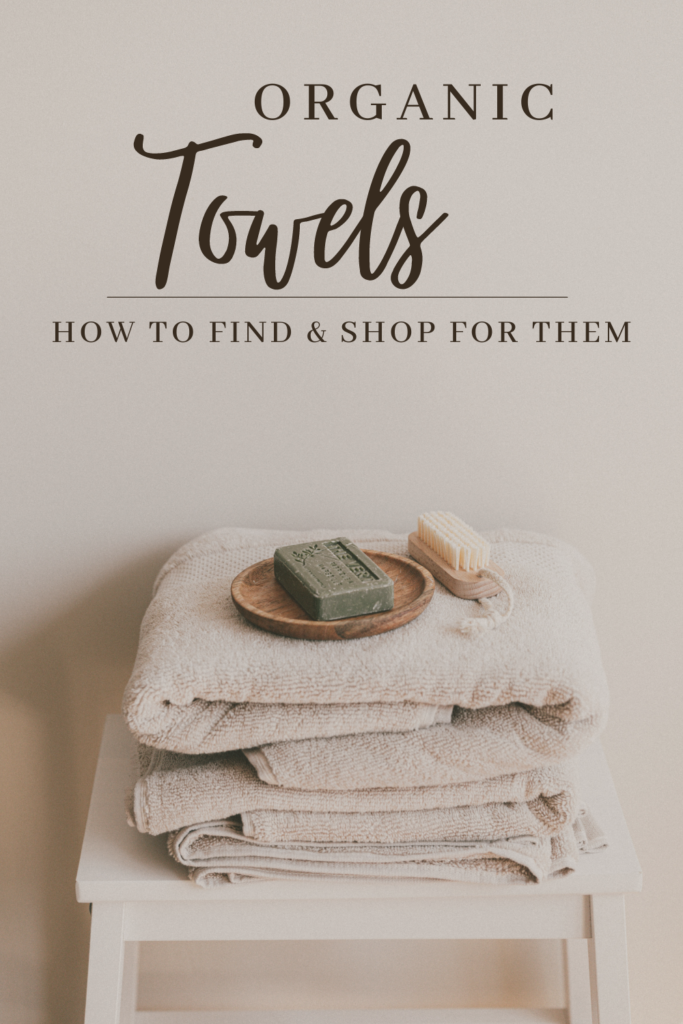
TOP PICKS FOR ORGANIC TOWELS
Click on the Images to Shop the Towels


Science and Resources for Further Learning
If you would like to dive deeper into the data regarding textile safety and indoor health, I recommend exploring these resources:
- The Global Organic Textile Standard (GOTS): Learn about the rigorous ecological and social criteria that define GOTS certification.
- The Ecology Center: This organization provides extensive research on toxic chemicals in everyday products, including textiles.
- National Institute of Environmental Health Sciences (NIEHS): For more information on how environmental exposures, such as endocrine disruptors, can impact your health.
- Environmental Working Group (EWG): Their research on PFAS and “forever chemicals” is an excellent resource for understanding why stain-resistant finishes should be avoided.
By selecting towels made of natural, untreated fibers and maintaining them with simple, non-toxic methods, you are creating a home that supports your wellness and protects your family from unnecessary chemical exposure.

Towels might be a big investment the first time around. The good news is by purchasing a high quality product like the ones I have listed and washing them the right way, you should be set for a LONG time. It’s one of those products you won’t have to be replacing over and over again. It’s why it can be such a great swap to make as you check off your healthy house list.