You know that moment when you’re pouring your morning tea, and you suddenly wonder if the kettle itself could be undoing all the good you’re trying to do? If you’re reading this, you’ve probably already made so many thoughtful choices for your home: organic teas, filtered water, low-VOC paints, natural fiber rugs.
You’re doing the work. But here’s something that might surprise you: the kettle you use to boil water every single day could be quietly adding to your family’s toxic load.
As a certified Building Biology Practitioner and healthy-home expert, I’ve learned that the small, everyday things we overlook often matter more than we realize.
What your water touches as it heats up, how that material reacts under high temperatures, whether it’s been designed with your health in mind or just your countertop aesthetic… these details add up. And I want you to feel confident that you’re making choices that truly support your family’s wellness.
In this post, I’m going to walk you through everything you need to know about choosing a safer kettle. We’ll talk about why the material matters, which ones to be cautious of, which ones I trust, and how to decide if it’s time to replace what you have.
Why your kettle material matters
When you fill your kettle to boil water, you’re not just heating H₂O. You’re introducing it to whatever surfaces it touches, and those surfaces can react under high heat, acidic conditions (like when you add lemon to your tea), or with long-term use. Research shows that glazes, metal alloys, and coatings can degrade over time and with heat, releasing heavy metals like lead or cadmium into the water. PubMed+1
From a building biology perspective, there are two big things I think about. First is your toxin burden: every sip of water that’s touched a reactive surface becomes a tiny exposure, and yes, it adds up. Second is your nervous system and immune load. When your body is constantly dealing with silent stressors (poor indoor air, EMFs, inadequate sleep), minimizing avoidable exposures (like what you boil water in) frees up your physiology to focus on repair and healing. Choosing the right kettle material isn’t just about function or how it looks on your counter. It’s a health decision.

What materials and design features raise red flags
Let me be honest with you: there are certain kettle materials and design choices I encourage my clients to be cautious of.
Aluminum and non-food-grade metals: Aluminum is more reactive with acidic water, and under heat stress it may leach into your water. Some research suggests this could add to your body’s heavy metal burden, which is something we’re all trying to reduce, not increase. PubGate
Cheap ceramic with unknown glazes: I know “ceramic” sounds safe and natural, but here’s the catch: if the glaze isn’t certified lead-free or cadmium-free, it may pose a risk. In fact, one study found that some ceramic foodwares leached lead and cadmium in measurable amounts. Not what we want in our morning tea. ResearchGate+1
Plastic components or coatings: Some kettles (especially electric models) include parts that touch water and are made of plastic or coated with non-stick elements. These can leach plasticizers like BPA, BPS, or phthalates when heated. Even if the kettle body is stainless steel, check what else is touching your water.
Coatings, enamels, and flashy finishes: Those colorful finishes and pretty exterior designs are often glazed or coated with layers the manufacturer doesn’t transparently disclose. If the glaze gets damaged or the finish degrades over time, it becomes an exposure risk.
Damaged interior, scale buildup, or rough surfaces: Even the safest material can become unsafe if it’s scratched, corroded, or chipped. Damage increases surface area and reactivity. When surfaces degrade, the potential for leaching increases.

Healthier kettle material and design choices
Now for the good news: you absolutely can choose kettle materials that are far safer and align with the healthy home you’re creating for your family.
Glass (especially borosilicate): Glass is non-reactive, doesn’t require glaze, and doesn’t leach heavy metals. One recent overview identified glass as a top pick for kettle materials because of its inert nature and durability under heat. I love glass kettles because you can see exactly what’s happening inside, and there’s nothing to worry about.
High-grade stainless steel (food-grade 18/8, 304, or 316): When properly made, this is a strong choice. It’s non-reactive and durable. Among metal options, stainless steel is a safer pick compared to reactive alloys. Just make sure it’s labeled as food-grade.
Ceramic (only if the glaze is certified lead-free/cadmium-free and the brand is transparent): If you go ceramic, you’ll want to verify testing and certification of the glaze. That said, ceramic with a safe glaze can be a non-toxic option. The key is knowing what you’re getting.
Other design considerations: Avoid kettles with plastic parts or internal coatings that contact boiling water. Choose ones with minimal or no coatings, with clear labels like “lead-free glaze” or “food-grade stainless.” Make sure the model fits your stovetop or electric setup, and plan to maintain it properly (regular descaling, avoiding damage).

How to assess your current kettle (and decide whether to replace)
You don’t have to throw everything out, I promise. But here’s how to look at your current kettle through a healthy-home lens and decide if it’s serving you well.
Step A: Inspection
Open the lid and look inside. Is the interior smooth and intact, or is it scratched, chipped, or showing rust or scale? Is the material labeled? Does the manufacturer say “food-grade 304 stainless steel” or “lead-free glaze ceramic”? Does it have plastic parts inside where the water sits?
Step B: Ask yourself
Did I choose this kettle mostly for looks or appearance rather than safety? Am I using it with acidic beverages (like lemon in tea) or boiling water often, which increases wear? Do I see scale buildup or damage?
Step C: Decide
If the interior is scratched, chipped, or unlabeled, it’s time to consider replacing it. If you bought a cheap ceramic or cheap coated kettle without transparency on materials, consider upgrading. If you’re using an electric kettle with many plastic parts in contact with water, evaluate whether you can move to a safer material.
Step D: Choosing your new kettle
When you’re ready to replace, here’s what to look for: non-reactive material (glass or verified stainless), minimal plastic in contact with water, a brand that provides certification or material disclosure, something that fits your stovetop type, and something easy to maintain (so you’ll actually use it and take care of it). Choosing a capacity appropriate for your household is smart too. You’ll avoid over-boiling water, which reduces energy use and stress on the material.

TOP PICKS FOR CERAMIC TEA KETTLES AND NATURAL TEAPOTS
Here are some options worth your consideration. Note: I’m including them as examples, so please check the brand claims and certifications before you purchase.
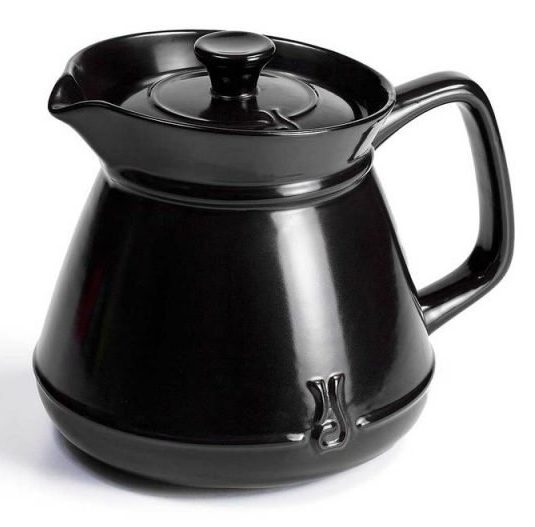
Xtrema Ceramic Tea Kettle: My absolute top pick, is the ceramic tea kettle by Xtrema. It retains heat really well and let’s be honest, it’s beautiful! If you’re picky about the taste of metal that can leach into water, then this is a great option. You can also use my coupon code: HHOTB to get 15% off of their ceramic tea kettle.
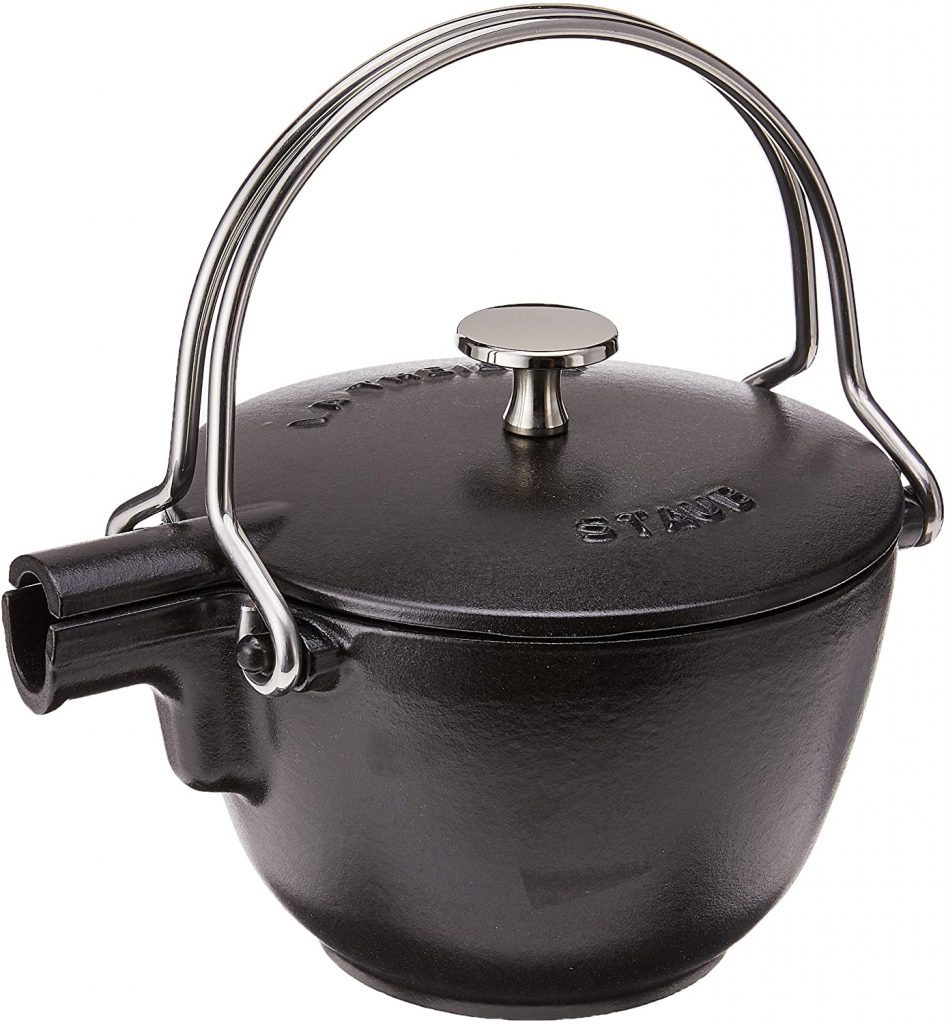
Staub Enameled Cast Iron Teapot: Because Staub makes their product in France, there are more strict regulations regarding the contents of the enameled glaze.
There’s also no seasoning necessary.

All Clad Stainless Steel Tea Kettle: Made with surgical steel that is 18/10 and highly durable. Every exposed surface is stainless steel so there’s no leaching into your water.

TeaBloom Glass & Stainless Steel Teapot: This one is ALL glass with a stainless steel infuser and has absolutely no metal or plastic parts on it. For that reason alone it’s beautiful! It is made with borosilicate glass which means you can heat it safely.

Caraway Tea Kettle: Made free from lead, PFOAs and other toxins, Caraway’s commitment to healthier homes and kitchens shines through in this tea kettle, making it a truly healthy option for your home.

Bodum Electric Kettle: Made of all stainless steel, there is nothing that the water touches that would leach lead, cadmium or plastic into your water. The handles are both made of a toxin free cork for protection from the heat.

Saki Electric Kettle: A fully stainless steel waterway, where no water touches any plastic or toxic material. This is a larger kettle and has a higher quality heating element that will last through your daily use.

How this fits into your healthy-home checklist
In the bigger picture of creating a low-toxin, supportive home environment, choosing the right kettle is a subtle but meaningful step. It’s like selecting furniture without off-gassing or choosing low-VOC paints. Each decision adds up. When you boil water in a kettle made of safe materials, you reduce a hidden daily exposure. Over time, those small shifts truly matter.
When I work with clients, I always remind them: healthy homes aren’t built overnight. They’re created through many micro-decisions (choosing safer cookware, low-VOC materials, filtered water, better air quality). Your kettle is one of those smart micro-decisions that supports your body’s ability to rest, grow, and heal.

If you’re still using a kettle you chose purely for looks or the lowest price, I want you to pause and rethink that choice. This daily item touches hot water, your tea, and in a way, your nervous system every single time you use it. Selecting a kettle built from safe materials, with transparent certification, is a meaningful step toward the confident, toxin-aware home you’re building for your family.
You’re doing such important work by paying attention to these details. Each thoughtful choice you make is an act of care for the people you love most. And that matters more than you might realize.