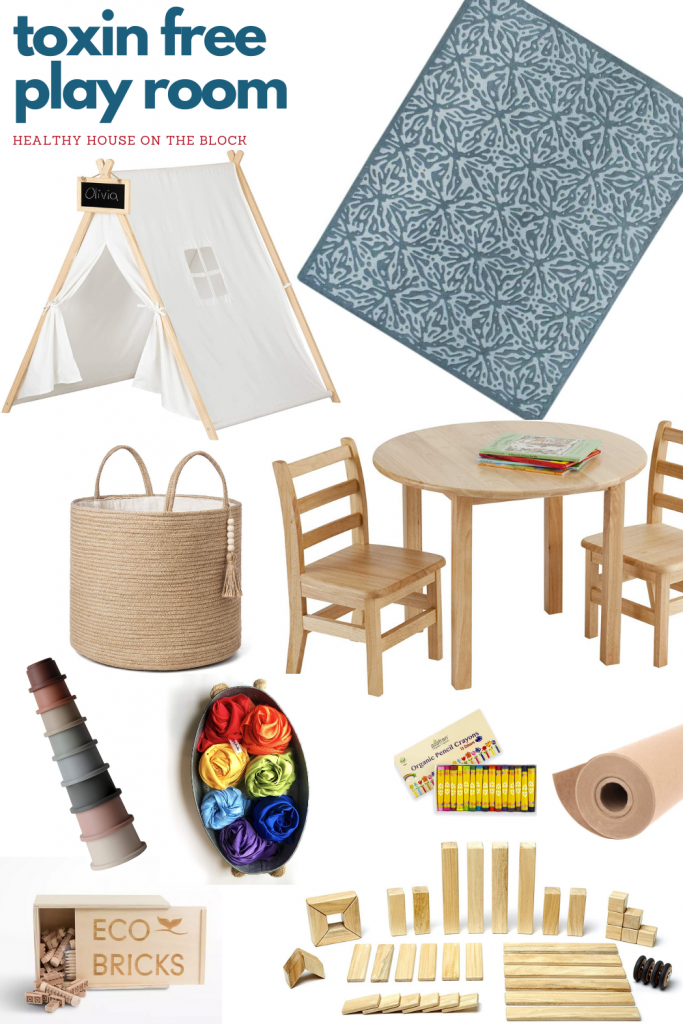
Creating a playroom is about so much more than finding the right storage bins or picking out a cute wallpaper. When I walk into a play space, I am not just looking at the toys; I am looking at the environment through the lens of building biology. Our homes are the backdrop of our children’s lives, and the playroom is often where they spend their most formative hours—right down at floor level where they are most vulnerable.
If you are just starting your journey toward a low-toxin home, it can feel overwhelming, but I want you to know that creating a healthy space is a series of small, intentional shifts. My goal is to help you understand the “why” behind these playroom ideas so you can make confident decisions that protect your family’s wellness for the long haul.
Why the Playroom Environment Matters for Development
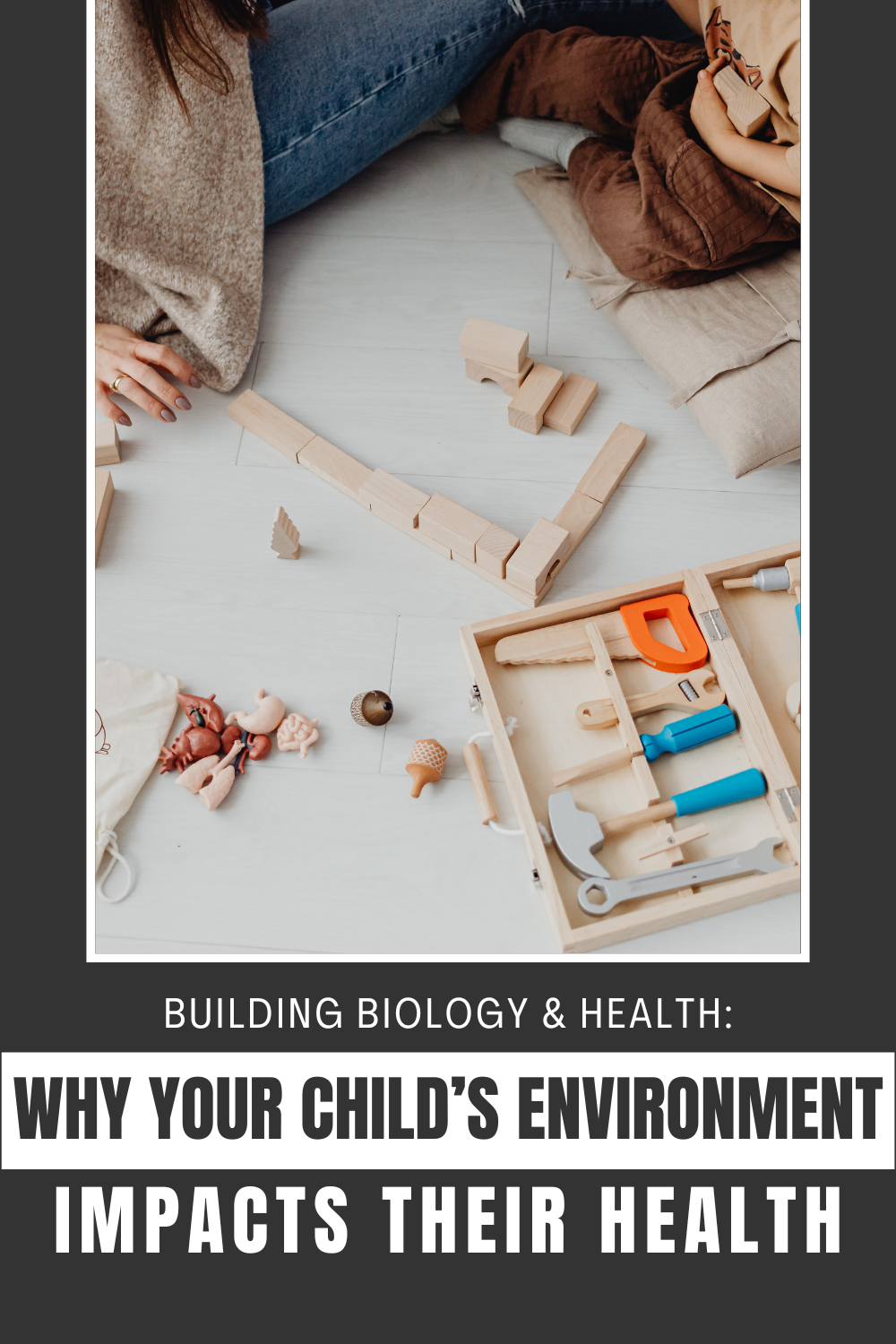
Children are not just “small adults.” Their physiology makes them uniquely susceptible to environmental stressors. Scientifically speaking, children have higher metabolic rates, meaning they breathe more air per pound of body weight than we do. They are also in a critical stage of organ and nervous system development.
According to the American Lung Association, children’s lungs and immune systems are still developing, and even small amounts of pollution can cause greater harm than in adults. Furthermore, research from the EPA shows that because children crawl and play on the floor, they have significantly higher exposure to house dust—which unfortunately acts as a magnet for flame retardants, heavy metals, and pesticides.
When a child is exposed to these environmental stressors, their body has to work overtime to detoxify. By creating a low-toxin playroom, you are effectively lowering their “body burden.” This allows their energy and cellular resources to go toward what matters most: learning, growing, and developing a robust immune system. It is about creating an environment that supports their nervous system rather than taxing it.
1. The Foundation: Healthy Flooring and Rugs
In building biology, we prioritize the largest surface areas first because they have the greatest impact on indoor air quality. In a playroom, the floor is essentially a giant workspace for your child.
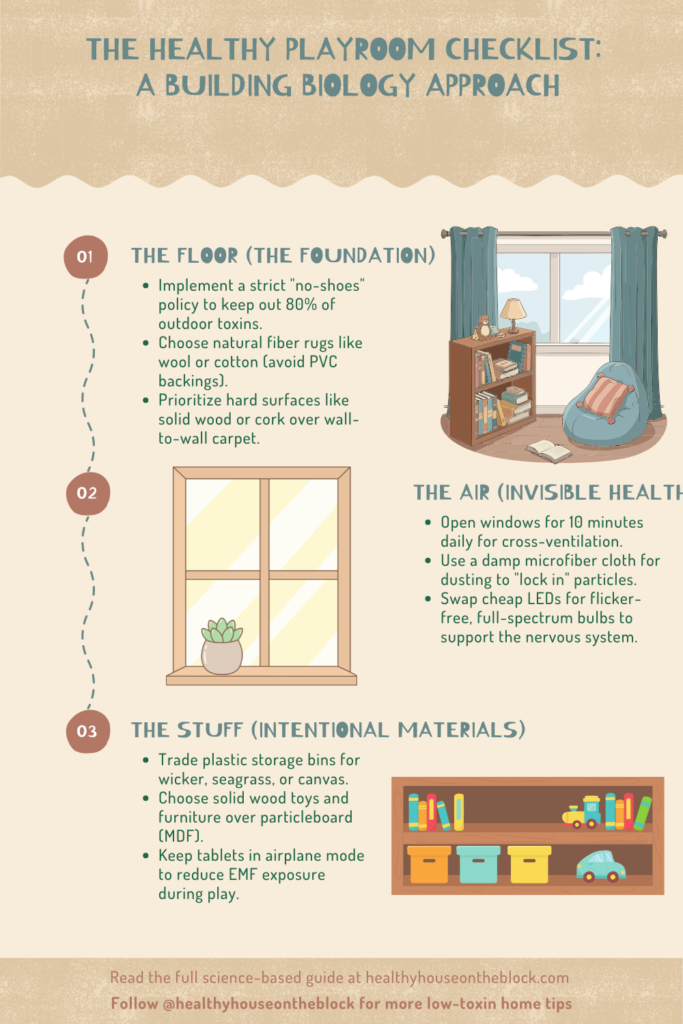
- The Problem with Traditional Carpet: Most wall-to-wall carpeting is a cocktail of synthetic chemicals. From the petroleum-based fibers to the synthetic latex backings and the “forever chemicals” (PFAS) used for stain resistance, carpet can off-gas VOCs for years. Perhaps more concerning is that carpet acts as a “sink,” trapping allergens, mold spores, and toxic dust that standard vacuums often can’t reach.
- Hard Surface Solutions: If you are in a position to renovate, I always recommend hard surfaces. Solid wood, cork, or true linoleum (which is made from linseed oil and wood flour, not to be confused with vinyl) are ideal. These materials are easy to clean and don’t provide a hiding place for toxins. For those looking for the safest options on the market, the Green Design Center is a wonderful resource that I personally trust.
- Choosing Healthy Rugs: To provide a soft landing spot, I love recommending Rugs by Roo. They specialize in rugs made from natural fibers like wool and organic cotton. When shopping for rugs, look for certifications like GOTS or OEKO-TEX, and avoid anything with a “non-slip” backing that smells like tires or plastic, as these often contain phthalates.
- The “No-Cost” Habit: If you can’t replace your flooring, the most effective free strategy is a “no-shoes” policy. Research shows that up to 80% of the pollutants in our house dust—including lead from exterior soil and lawn chemicals—are tracked in on the bottoms of our shoes. Leaving shoes at the door is a massive win for playroom health.
2. Managing the Invisible: EMFs and Lighting
Building biology isn’t just about what we can touch; it is about the invisible environment that interacts with our biology every second.
- EMF Mitigation: Electromagnetic fields (EMFs) from Wi-Fi routers, tablets, and electronic toys can interfere with the body’s delicate electrical signaling. Children have thinner skulls and higher water content in their tissues, which means they absorb more radiation than adults. Chronic exposure has been linked to issues with sleep and nervous system regulation.
- The Strategy: Use technology intentionally. Keep tablets in airplane mode when kids are playing games or watching pre-downloaded videos. If you have a gaming console, try to hardwire it with an ethernet cable rather than relying on Wi-Fi. A great free habit is turning off your Wi-Fi router at night to give your child’s body a “quiet” environment to rest and repair.
- The Impact of Light: Light is a nutrient for our cells. Many playrooms are in basements or rooms with poor natural light, relying on fluorescent or cheap LED bulbs. These bulbs often have an invisible “flicker” that can cause eye strain, headaches, and irritability.
- The Strategy: Maximize natural daylight whenever possible. When you do need artificial light, look for “flicker-free” full-spectrum LED bulbs. These more closely mimic the sun’s spectrum, which supports a healthy circadian rhythm and helps keep children (and parents) in a calmer state of mind.

3. Intentional Storage and Natural Materials
The “stuff” we put in a playroom can often be a source of chemical off-gassing. That “new toy smell” is actually the scent of chemicals like phthalates and formaldehyde leaving the product and entering your child’s air.
- Rethink Storage: Instead of using plastic bins, which can release endocrine-disrupting chemicals, look for storage playroom ideas that utilize natural materials. Woven wicker, seagrass, or organic canvas baskets are beautiful, breathable, and much healthier for the space.
- Choosing Better Toys: Focus on quality over quantity. Solid wood toys finished with natural oils or water-based, non-toxic paints are durable and safer for kids who still put things in their mouths. Organic cotton or wool plushies are also great alternatives to synthetic stuffed animals.
- The Thrifted Advantage: Thrifting is a sustainable way to find high-quality, solid wood furniture. Because these items are older, they have often already finished the majority of their off-gassing. However, you must be careful with vintage painted items, as they may contain lead paint. For a deeper dive into how to do this safely, you can read my guide on how to find healthy thrifts.
4. Simple Habits to Maintain a Healthy Space
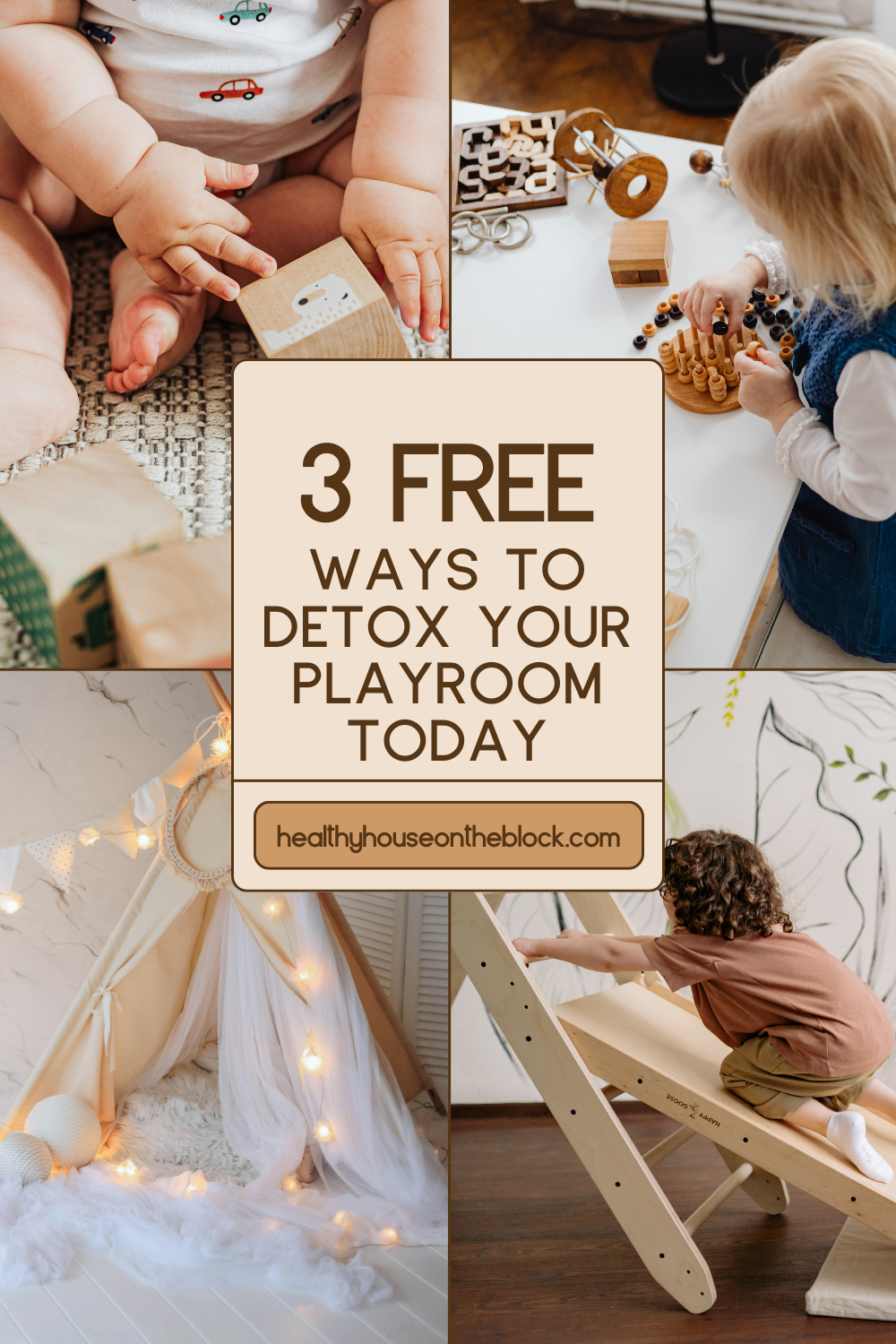
I never want you to feel like you have to spend a fortune to have a healthy home. Some of the most powerful things you can do for your child’s health are completely free:
- Damp Dusting: Since many toxins—like flame retardants from old furniture and electronics—bind to house dust, the act of dusting is a legitimate health intervention. Use a damp microfiber cloth to wipe down surfaces once a week. This prevents the dust from becoming airborne where your child can breathe it in.
- Strategic Ventilation: Indoor air is often two to five times more polluted than outdoor air. Opening two windows on opposite sides of the room for just ten minutes creates a cross-breeze that flushes out CO2 and VOCs, significantly improving air quality.
- HEPA Vacuuming: If you have rugs or carpets, a vacuum with a certified HEPA filter is essential. Standard vacuums often suck up large dust but blow the smallest, most toxic particles right back out into the air.
Creating a Sanctuary for Your Family
At the end of the day, these changes are about creating a sanctuary. A healthy environment allows a child’s nervous system to remain in a “rest and play” state rather than a “stress” state. It reduces the total body burden they carry, giving them more resilience as they grow and providing you with the peace of mind that you are protecting their wellness.
If you are feeling like you some starting steps to get you started creating a truly toxin free home, I’d love to invite you to download my free ebook to get you started on the right path.
Creating a healthy home is a marathon, not a sprint. Every small change you make—whether it’s a new rug or a better dusting habit—is a win for your family’s health.