I can happily say it has been years since I have had a bottle of bleach in my home. While I once thought I would miss it for whitening laundry, I have found so many effective bleach alternative options that I never even notice that jug of household bleach is missing.
Growing up in the nineties, bleach was a common household staple. It was used to clean every surface and keep laundry bright. There is no mistaking that strong odor of chlorine bleach, a scent many of us were taught to associate with a clean home. However, as a building biology practitioner, I look at cleaning through a different lens. In building biology, we consider the home a living organism. When we use harsh chemicals like bleach, we aren’t just cleaning a surface; we are fundamentally altering the indoor air quality and the biological balance of our living space.
The Building Biology Perspective on Bleach
The goal of building biology is to create an indoor environment that mimics the health-giving properties of nature. In nature, surfaces are not “sterile”—they are biologically diverse. When we introduce sodium hypochlorite (bleach) into our homes, we are introducing a substance that is foreign to our natural biology and highly reactive.
The Chemical Reaction in Your Air
The most significant concern with bleach is its volatility. When you open a bottle of bleach, it immediately begins to off-gas. If you mix it with water or use it on a surface, it reacts with organic compounds already present in your home—such as dust, skin cells, or hair.
This reaction produces “volatile organic compounds” (VOCs) and “disinfection byproducts” (DBPs). These include hazardous gases like chloroform and carbon tetrachloride. Unlike outdoor pollution that eventually dissipates, these gases can become trapped within the four walls of your home, where you and your children breathe them in for hours or even days after you have finished cleaning.
Understanding the Indoor Microbiome
We often think of bacteria as the enemy, but our homes need a healthy microbiome just like our bodies do. A completely sterile environment can actually leave us at a disadvantage. The hygiene hypothesis suggests that our modern obsession with over-sanitization is a primary driver behind the rise in childhood asthma and allergies. By using bleach to kill 100% of the microbes in our home, we are stripping away the beneficial bacteria that help train a child’s developing immune system. We want a home that is clean, but not clinically sterile.

Why We Should Avoid Conventional Bleach
Beyond the air quality concerns, bleach presents several physical health risks that are often overlooked in standard cleaning advice.
- Respiratory Irritation: Bleach is a known lung irritant. For families with a history of asthma or sensitive airways, the presence of bleach can trigger chronic inflammation.
- Corrosive Nature: Bleach is highly caustic. It can cause permanent damage to the skin and eyes, and it often degrades the very materials we are trying to clean, such as clothing fibers, grout, and stone.
- Dermal Absorption: If you wash your sheets or clothes in bleach, chemical residues can remain embedded in the fibers. Since your skin is your body’s largest organ, it can absorb these residues through prolonged contact, allowing toxins to enter your bloodstream directly.
High-Performance Bleach Alternative Options to Buy
Since my original post, I have vetted several solutions that provide professional-level results without the toxic load. These are products I feel confident recommending to my clients because they align with a low-toxin, healthy home philosophy.
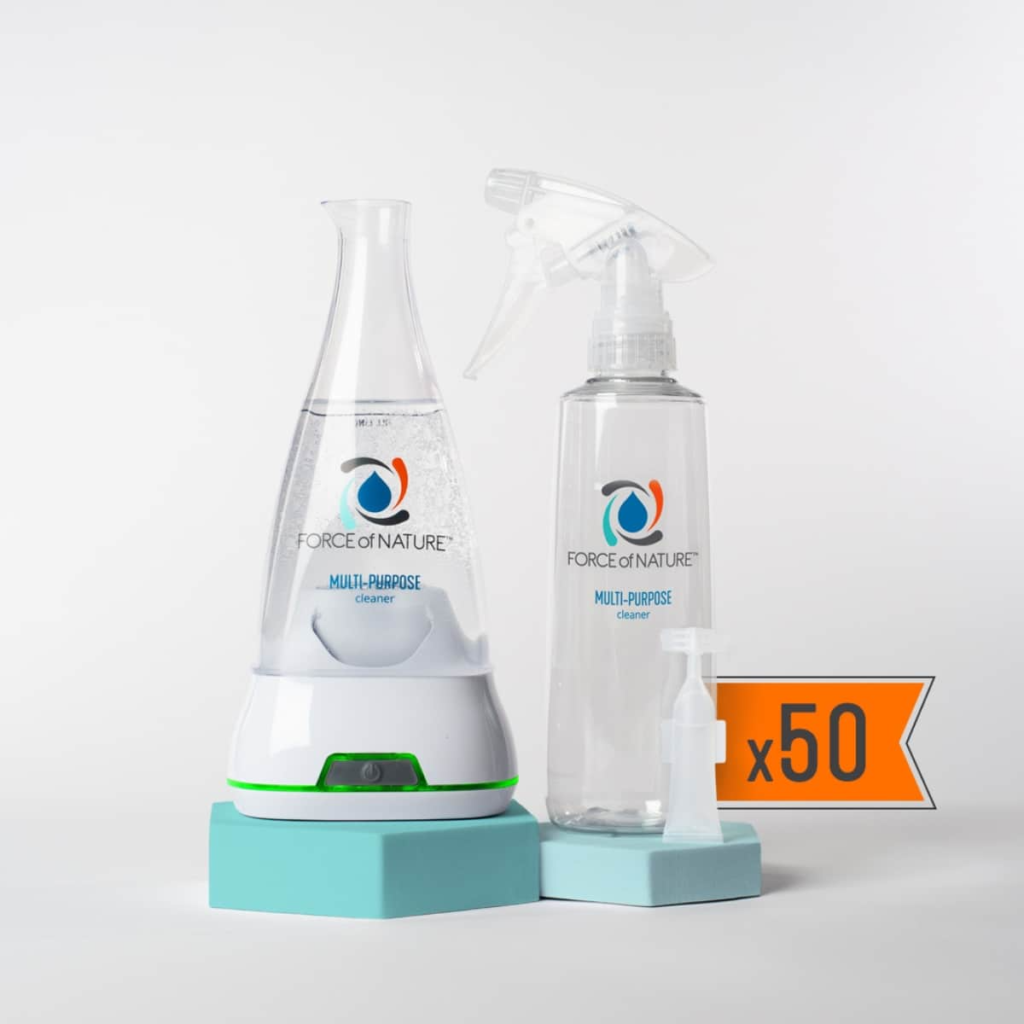
Force of Nature
This is one of my favorite modern solutions for moms who want the peace of mind of a disinfectant without the toxic vapors. It uses a small electronic base to turn salt, water, and vinegar into hypochlorous acid. This is the same substance our white blood cells produce to fight infection. It is as effective as bleach at killing germs but is so gentle you can use it on a high chair or a pacifier without ever needing to rinse it off.
Oxygen-Based Brighteners
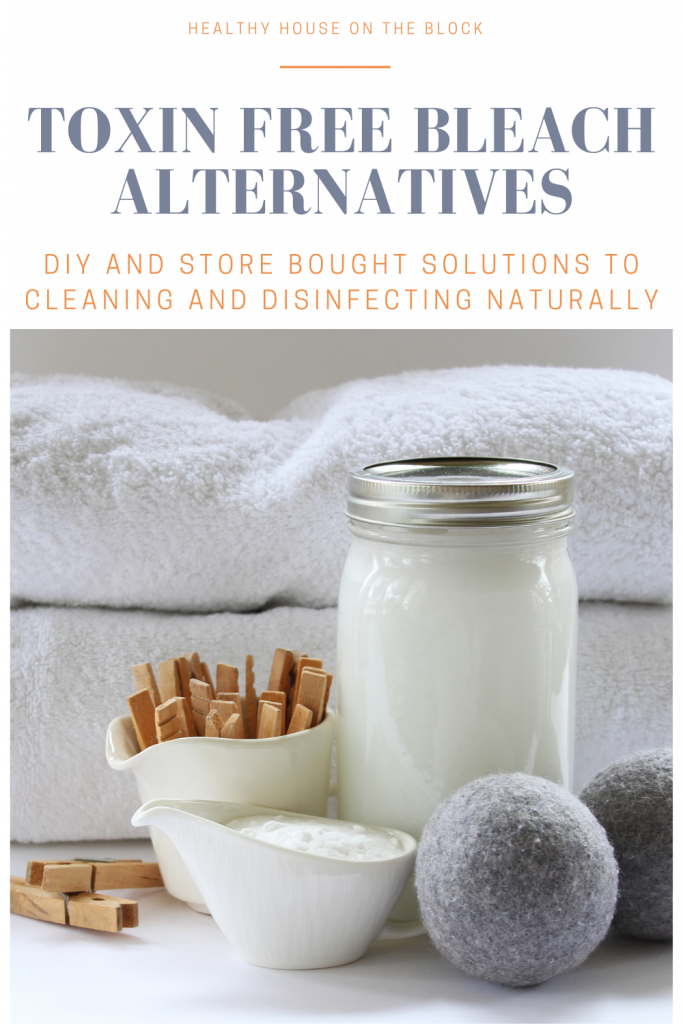
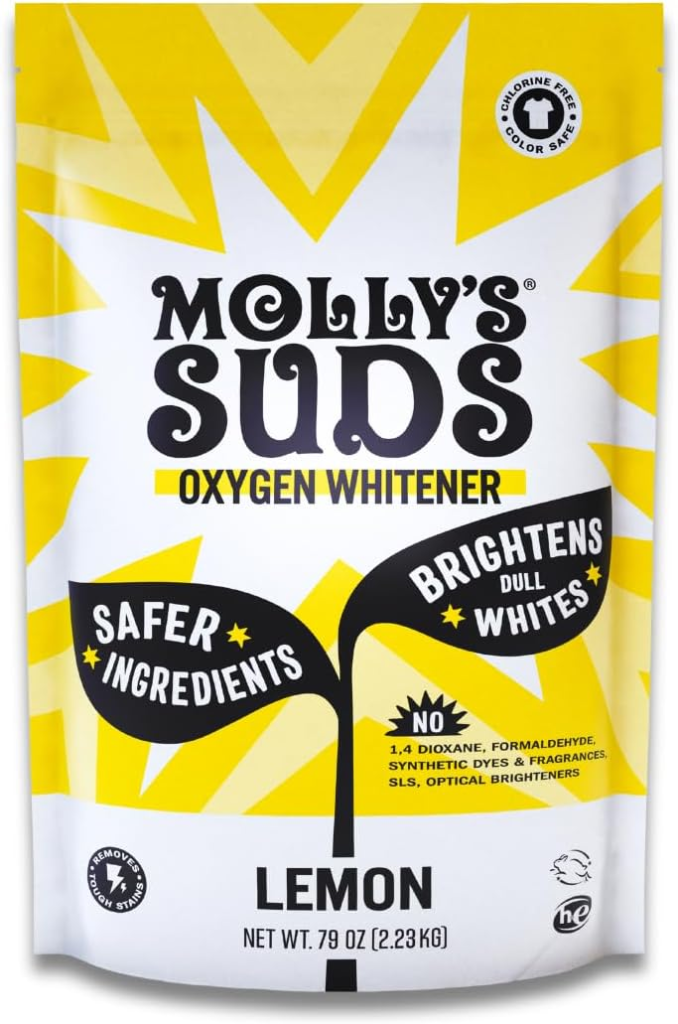
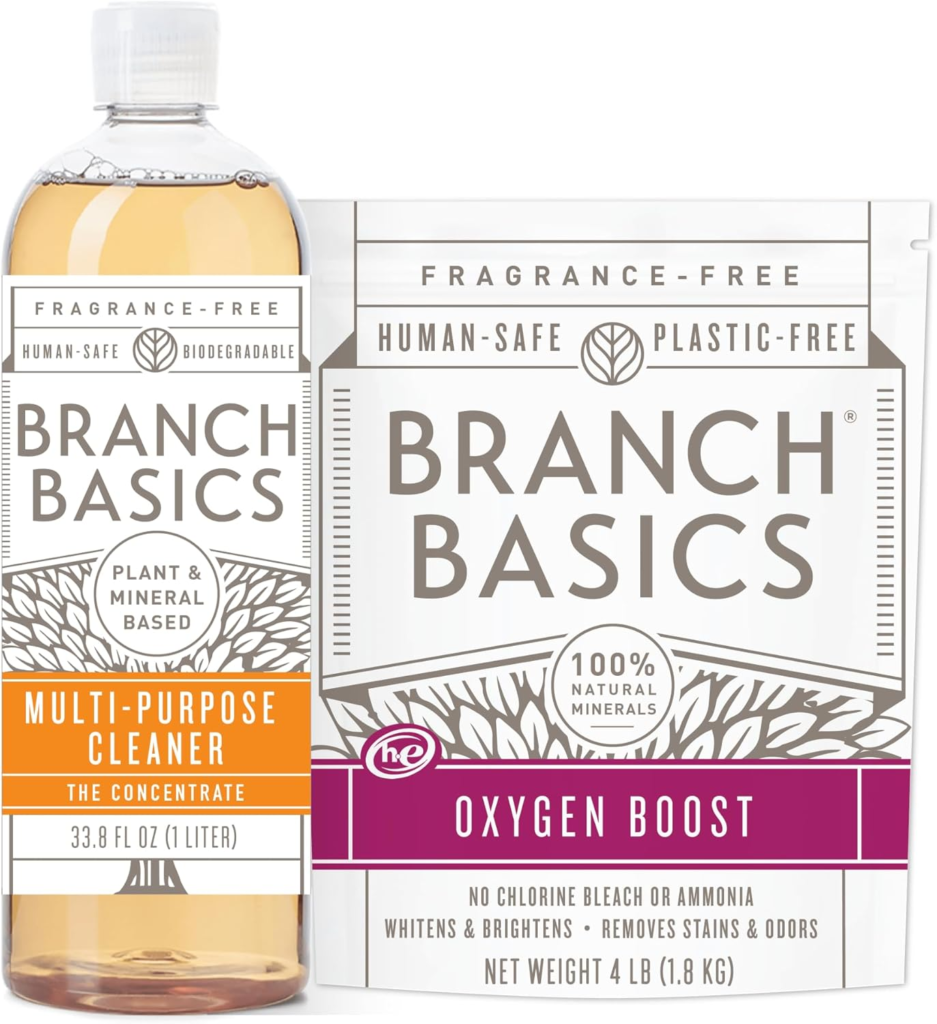
For laundry, we want to look for products containing sodium percarbonate.
- Molly’s Suds Oxygen Whitener: This is a powerhouse for lifting stains and brightening whites. It doesn’t use synthetic fragrances, which are often just a mask for chemical odors.
- Branch Basics Oxygen Boost: This consists of only two ingredients: sodium percarbonate and sodium bicarbonate. It is incredibly versatile. I use it for everything from whitening grout to removing stubborn stains on upholstery.
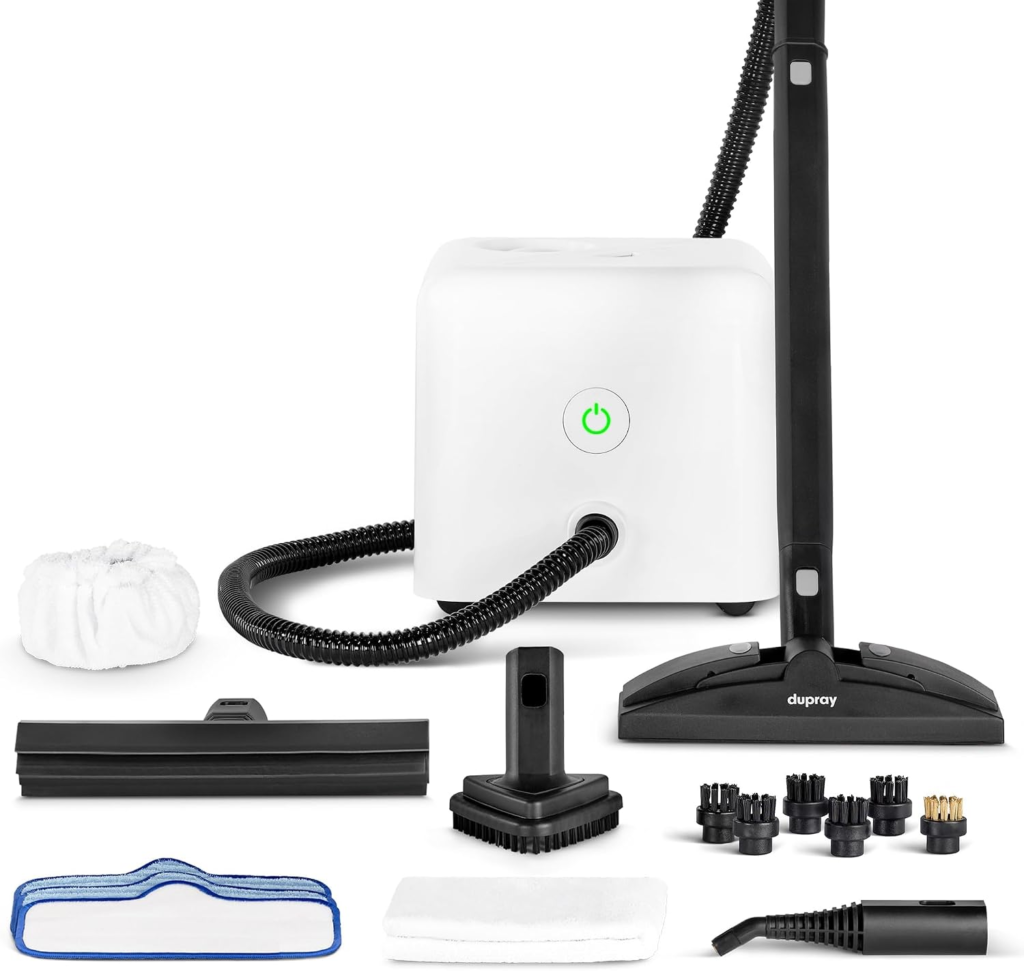
Professional Grade: Dry Steam Cleaning
If you are looking for a completely chemical-free way to disinfect, dry steam is the gold standard in building biology. Systems like the Dupray Neat Steam or Ladybug Dry Steam Cleaner use high heat (saturated steam) to thermally disinfect surfaces. This kills viruses, bacteria, and even mold spores in seconds without leaving any chemical residue behind. It is an investment, but for a healthy home, it is a game-changer for deep cleaning bathrooms and kitchens.
DIY Solutions for a Functional Home
If you prefer to use items you already have in your pantry, these DIY options are science-backed and incredibly effective.
The Power of 3% Hydrogen Peroxide
Hydrogen peroxide is essentially water with an extra oxygen molecule ($H_2O_2$). It is an amazing disinfectant and whitener. I recommend keeping a spray nozzle directly on the brown bottle, as light breaks down its cleaning power.
- For Laundry: Add 1 cup of hydrogen peroxide to your bleach dispenser.
- For Cutting Boards: Spray directly on the board after washing with soap to neutralize food-borne pathogens.
The “Two-Step” Disinfection Protocol
For a powerful natural disinfectant that rivals bleach, you can use white vinegar and hydrogen peroxide in succession.
- Spray the surface with white vinegar and let it sit for a minute.
- Wipe it down, and then follow with a spray of hydrogen peroxide.
Note: Never mix them in the same bottle, as this creates peracetic acid, which can be irritating to the lungs. Used one after the other, however, they are incredibly effective at neutralizing pathogens without the “bleach hangover.”
Sunlight and Lemon
- The Sun: Sunlight is the original whitener. Ultraviolet rays naturally disinfect and bleach fabrics. If you have white linens that are looking a bit yellow, hanging them outdoors on a sunny day is a free and effective solution.
- Lemon Juice: The citric acid in lemons acts as a natural bleaching agent. You can pre-treat stains with lemon juice and let the garment sit in the sun for an hour before washing to boost the whitening effect.
Your Healthy Home Bleach Protocol
If you are unsure where to start, I recommend this simple approach to transitioning away from bleach:
- For Routine Cleaning: Use a gentle soap and water solution or a high-quality microfiber cloth. Our goal is to remove dirt and germs physically.
- For High-Touch Areas: Use Force of Nature or the vinegar and peroxide two-step method for areas like doorknobs or bathroom handles during flu season.
- For Whitening Laundry: Swap your liquid bleach for an oxygen-based powder and use the sun whenever possible.
Making the switch away from bleach is one of the easiest and most impactful ways to improve the air quality in your home. It allows you to protect your family’s respiratory health while still maintaining a space that feels clean and bright.
I know how overwhelming it can feel to research every product in your cabinet. My goal is to do that work for you so you can focus on enjoying your home. If you are looking for more ways to reduce toxins in your projects, I have a free ebook that walks you through the exact steps I take with my clients to create a healthier living environment.