

When we think about health, we often focus on what we put into our bodies—the food we eat and the supplements we take. However, as a building biology practitioner, I have learned that the environment around our bodies is just as critical. Our homes are meant to be sanctuaries for rest and recovery, but in our modern world, they can often become a source of hidden stress and chemical exposure.
Simplifying your home is not just about having fewer things to clean. It is a strategic health intervention. By reducing clutter and being intentional about what we bring into our spaces, we can lower our toxic load, calm our nervous systems, and create a foundation for long-term wellness.

The Hidden Science of Household Dust: A Reservoir for Toxins
One of the most immediate benefits of simplifying your home is the reduction of household dust. While we often think of dust as just “dirt” from the outdoors, research shows it is a complex mixture of substances that can have a profound impact on our health over time. In a simplified home, we reduce the “surface area” available for dust to settle, making our cleaning efforts much more effective.
A comprehensive study by the Milken Institute School of Public Health identified 45 potentially toxic chemicals commonly found in indoor dust. Many of these are known as semi-volatile organic compounds (SVOCs). Unlike gases that eventually dissipate, SVOCs are heavier molecules. They “off-gas” from products in our homes—such as electronics, vinyl flooring, and treated furniture—and then quickly settle onto the floor and other surfaces, where they latch onto dust particles.

When your home is cluttered, those items act as “dust reservoirs.” Every stack of old magazines, every unused trinket on a shelf, and every box stored under the bed creates a nook where these chemical-laden particles can hide from your vacuum or microfiber cloth. Long-term exposure to these dust-bound toxins has been linked to significant health issues:
- Hormone Disruption: Phthalates, often found in plastic items and synthetic fragrances, are known endocrine disruptors. They can mimic or block the natural hormones in our bodies, which can lead to issues with reproductive health and development.
- Respiratory Issues: Chronic inhalation of dust-bound pollutants can exacerbate asthma and lead to long-term respiratory sensitivity. Because these particles are so small, they can travel deep into the lungs and even enter the bloodstream.
- Neurodevelopmental Risks: Flame retardants, frequently found in electronics and furniture foam, have been associated with lower IQ and developmental delays in children. Since children spend more time playing on the floor and frequently engage in hand-to-mouth behavior, they are the most vulnerable to these settled toxins.
By clearing surfaces and keeping only what is truly necessary, you eliminate these reservoirs. This ensures that when you do clean, you are actually removing the toxins from your environment rather than just moving them around.
Start Where You Heal: The Building Biology of the Bedroom
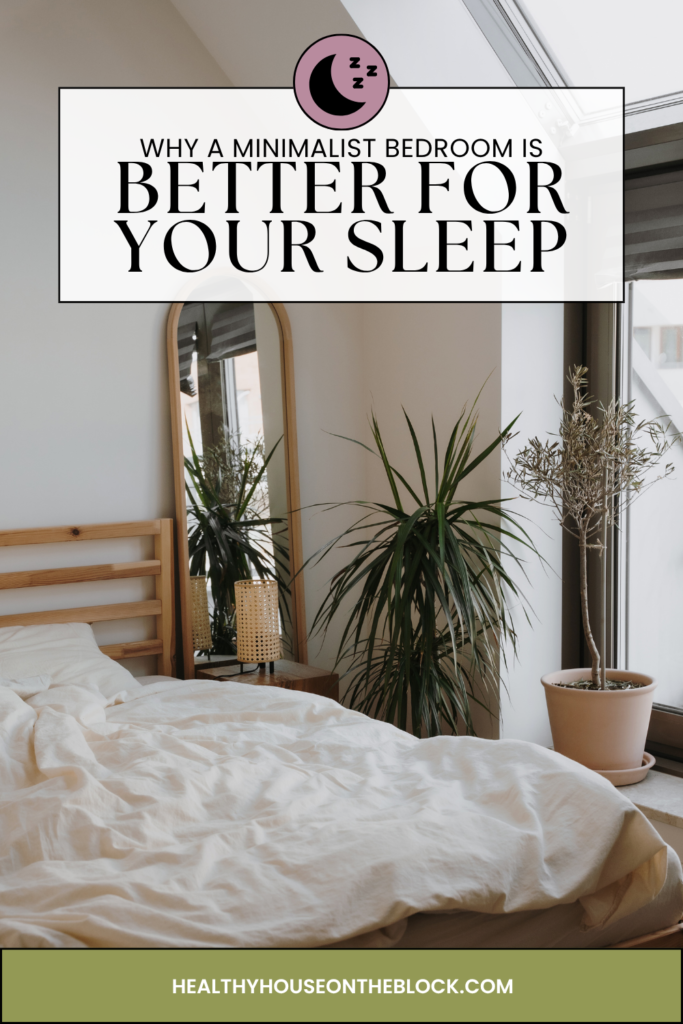
If the task of simplifying feels overwhelming, I always recommend starting in the bedroom. From a building biology perspective, the bedroom is the “inner sanctum” of the home. This is where your body undergoes biological and metabolic regeneration. During sleep, your brain clears out metabolic waste through the glymphatic system and your immune system works to repair tissues. If the environment is cluttered or toxic, those recovery processes are hindered.
Reducing Visual Noise and the Nervous System Clutter in your visual field isn’t just an eyesore; it’s a form of constant cognitive input. Researchers at the Princeton University Neuroscience Institute used fMRI to show that visual clutter competes for your brain’s attention. Even when you aren’t looking directly at a pile of laundry or a cluttered dresser, your brain is processing that information.
This creates “visual noise,” which keeps your nervous system in a state of low-level “fight or flight” (the sympathetic state). To truly heal, we need our bodies to be in a “rest and digest” (parasympathetic) state. When you simplify your bedroom, you reduce this sensory input, which helps lower cortisol—the body’s primary stress hormone. Maintaining lower cortisol levels is essential for long-term heart health, stable blood sugar, and a strong immune system.
Managing Electrical Stress and Melatonin Building biology evaluation guidelines place a heavy emphasis on reducing electromagnetic fields (EMFs) in sleeping areas. Every cord plugged into an outlet and every electronic device produces a small electric field. A simplified bedroom naturally has fewer devices and less “electrical pressure” around the bed.
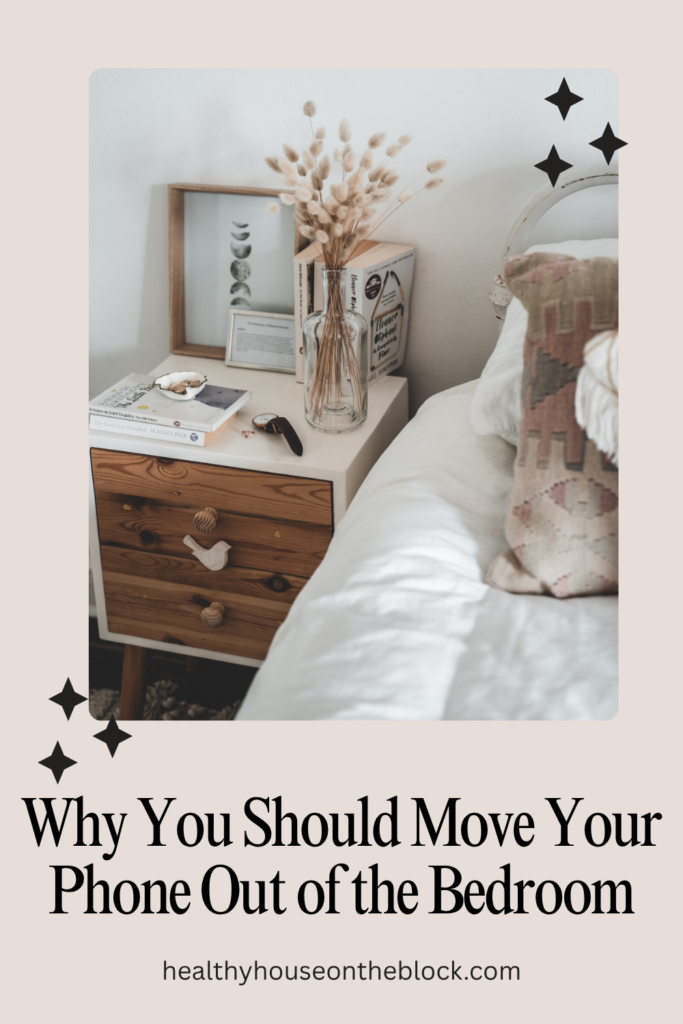
By moving phones, tablets, and smart devices to a separate charging station outside the bedroom, you do two things: you reduce EMF exposure, and you eliminate the blue light that suppresses melatonin production. Melatonin is not just a sleep hormone; it is a powerful antioxidant that helps protect your cells and supports mitochondrial health. A simplified, “tech-free” bedroom is one of the easiest ways to support this natural defense system.

Simplification Strategies for the Kitchen and Beyond
The kitchen is often the heart of the home, but it is also a primary source of indoor air pollution and chemical leaching. Simplifying this space is about more than just clearing the counters; it is about choosing materials that do not compromise your health.
Transitioning to Inert Materials Plastic containers are a major source of microplastics and phthalates. When these plastics are heated or even just used over time, they begin to degrade, shedding tiny particles into your food. I recommend a “one-in, two-out” approach to kitchen simplification. As you declutter, replace old plastic storage with inert materials like glass or stainless steel. These materials do not off-gas and do not leach chemicals into your food, even when storing acidic or warm items.

The Power of a Minimalist Cleaning Routine The “cleaning aisle” at the store would have us believe we need a specialized chemical for every surface. However, this creates a “chemical soup” of volatile organic compounds (VOCs) that linger in the air long after the cleaning is done. By simplifying your cleaning caddy to one or two high-quality, plant-based concentrates, you reduce the VOC load in your home and save physical space in your cabinets.

Sustainable Habits for a Healthier Life
Simplifying your home is a journey of small, manageable steps. I often tell my clients that the easiest change is the best one to start with, as it builds the momentum you need to keep going.
- The Bedroom “One-Surface” Rule: Choose just one surface in your bedroom today—perhaps your nightstand. Clear it completely, wipe away the dust, and only put back one or two items that truly serve a purpose or bring you peace. Notice how your breathing feels different when your eyes have a place to rest in that space.
- Audit Your Textiles: Bedding and curtains can be massive dust collectors. Simplifying your bedroom decor to include only natural, washable fibers like organic cotton or linen allows you to wash away dust and allergens regularly, preventing them from accumulating in your sleeping environment.
- Establish a “Digital Sunset”: Create a ritual of placing all electronics in a designated spot outside the bedroom at least one hour before bed. This simplifies your routine and signals to your brain that it is time to begin the detoxification and repair processes that only happen during sleep.
Creating Your Path to a Healthier Home
Simplifying your home is one of the most proactive and empowering things you can do for your long-term wellness. When you reduce the physical and chemical load in your environment, you give your body the space and resources it needs to thrive.
I know that knowing where to start can be the hardest part, especially when you are balancing a busy family life and don’t have the time to spend hours researching materials. If you are feeling stuck or ready to create a personalized strategy for your home, I am here to guide you.
I offer individual consultations where we can look at your specific space together—whether you are looking to detox a single room or planning a larger project. We will create a clear, science-based plan to simplify your home in a way that fits your lifestyle and protects your family’s health.
Creating a healthy home doesn’t happen overnight, but every item you remove and every toxin you eliminate is a significant step toward a more vibrant, resilient life.
If you would like to dive deeper into the science behind these recommendations, I have gathered the key studies and resources that inform my approach to building biology and a low toxin home:
- Chemicals in Household Dust: A landmark study led by the George Washington University Milken Institute School of Public Health identified 45 potentially toxic chemicals commonly found in indoor dust, highlighting how dust acts as a major exposure pathway for phthalates and flame retardants.
- Visual Clutter and Brain Function: Research from the Princeton University Neuroscience Institute explores how a cluttered environment overwhelms the visual cortex and impairs the brain’s ability to focus and process information, leading to increased stress.
- Article: Visual Clutter Might Be Wrecking Your Productivity (Referencing the Kastner experiments).
- The Glymphatic System and Sleep: The Cleveland Clinic provides an excellent breakdown of the glymphatic system—the brain’s unique waste-clearance system—and why deep, restorative sleep in a clean environment is vital for long-term cognitive health.
- Building Biology Standards for Sleep: The Building Biology Institute offers specific evaluation guidelines based on the precautionary principle, emphasizing the need for low-EMF and low-pollutant environments during the “fragile window” of sleep.
- Endocrine Disruptors in the Home: A review published in Environmental Science & Technology examines the presence of endocrine-disrupting chemicals (EDCs) in residential air and dust, showing how common household items contribute to our daily toxic load.

These are great tips! Such a good point you make when you say that having less stuff actually gives you more time! This is so true. We have a huge barn in our yard and every year it gets filled with junk and every year we spend a whole day cleaning it out!! Too much stuff!
This is super helpful! I already do a number of things on this list, but I am excited to try your other suggestions. Thanks!
Pingback: How Homeowners Can Adopt a Simpler Lifestyle - Coze Living